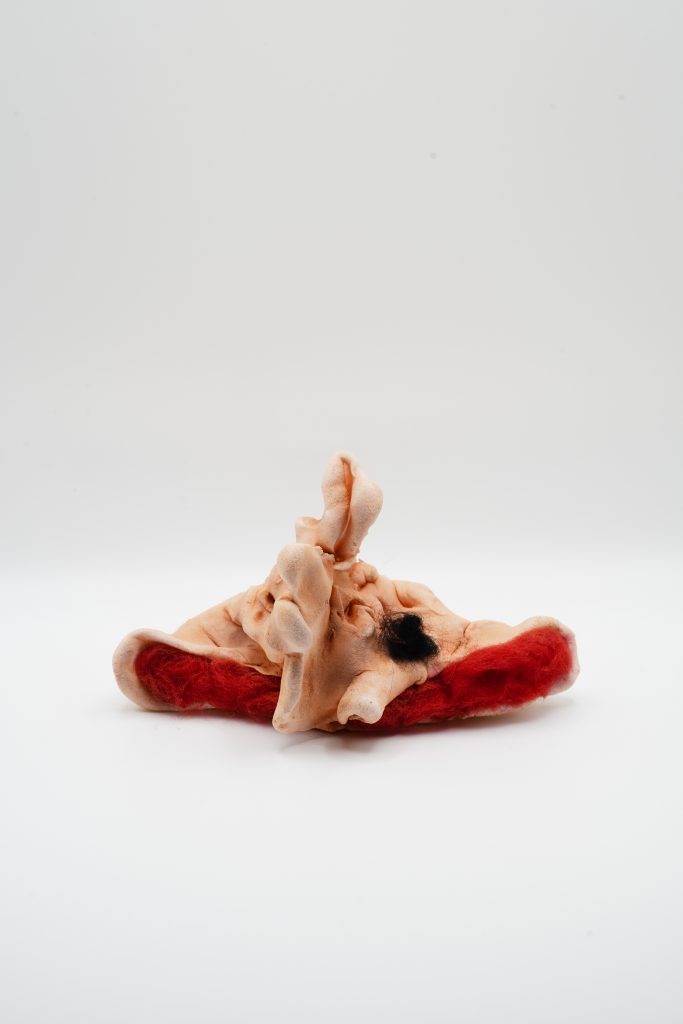
Richie’s class helped me a lot, and was the first time I started to notice that visual is not the only way and means to create.
I began to notice that for a topic as popular and personal as family memories or family narratives, an overly figurative work or vision could be counterproductive and leave the viewer with a strong sense of exclusion.
Well, a sense of ambience might be a good way to create a hazy impression of “home”.
Firstly, all ambience needs a blueprint. I think my personal memories will be the blueprint for everything. After breaking it down, I chose to use soil, architecture, food raw materials and the humid climate of the mountains in southern China as the raw materials for my work, so as to build a vague concept of “home”.
This is the paddy field of my hometown, which carries the survival needs of my ancestors. The dialect and songs of labour, the mud in the paddy fields and the harvested crops can all be part of the work.
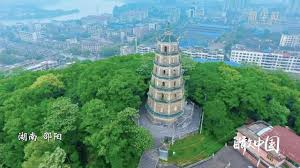
This is the North Pagoda that my ancestors repaired during the Ming and Qing Dynasties. After the family has met its survival needs, money, status and records enable the family to be remembered forever by descendants or others. This is the emergence of family history, and they are necessary for the emergence of the “family”. I will be staging this section with photographs and projections, with the aim of enabling the viewer to experience the feeling of time travelling. Old photographs, modern restorations or future designs will be blended together, and family memories and architecture will become confusing, but still memorable. I want to blur out the concrete form in this complex way, so as to bring out the architecture or other behaviours that record the family, and express the proposition of “record” or “memory”.
Returning to the everyday, everyone remembers the same daily behaviours such as “going home” and “eating”, but these behaviours may be pleasurable or painful. For this panel I have tried to demonstrate with smell, fog and hearing. Each audience member was allowed to record their memories into the system through the microphone, which was converted by the AI into the background sounds of everyday households. This is my way of trying to balance “mass” and “private”.
Leave a Reply