Author: Qizhi Che
-
Third Round Test Feedback
This is the final round of testing for this project. I tested different groups of people and gathered their experiences after playing. Since the project is being promoted in China, anonymity and impartiality of responses were ensured. (No one knew the researcher.) After the playing, most participants showed an increased willingness to communicate with others.…
-
Second Test
On October 30th, I conducted the second test, this time with three participants. This test involved two rounds of gameplay, with the changes in user behavior summarized in the table below. As shown in the table (003-005 represent the subjects of this test), players demonstrated improvements in social willingness, social competence, and social discernment. Furthermore,…
-
First Round of Test Feedback
This time, I tried a two-player match and played four rounds. Below is participant feedback: 1.The game mechanics are a bit complex; it took me until the third round to grasp the rules. 2.Simulated existence allows one to experience the daily balancing act of fulfilling professional duties while maintaining existing relationships and appropriately forming new…
-
Social Card Test Scale
I designed a validation scale to quantify participants’ psychological changes. Based on participants’ baseline characteristics, the scale includes: – Quantitative analysis of social attitudes before and after the game – Qualitative and quantitative analysis of social behaviors during gameplay (tracking behavioral shifts from early to late stages) – Post-game follow-up interviews with users Through three…
-
Research on Social Connection and Emotional Energy among Chinese Youth
1.Research Objectives and Sample Overview This questionnaire aims to understand the authentic state, emotional experiences, and behavioral patterns of Chinese youth within social relationships, while providing psychological and sociological foundations for the mechanism design of the Relationship Management Card Game. A total of 100 valid responses were collected. The majority of participants were aged 21–26…
-
Theoretical Support for Social Cards
1.Social Exchange Theory Proposed by George Homans (1958), this theory posits that all interpersonal relationships are based on a “cost-benefit” tradeoff. This theory explains why individuals choose to engage in or withdraw from relationships during social interactions. Research indicates that people tend to maintain relationships that yield positive returns while abandoning interactions that are high-cost…
-
Creative Card Game Design
1.1.Abstract After going through Dragon’s Den and consulting with experts, I believe the current card game has two issues: 1. The project’s core concept is unclear; 2. It lacks commercial viability or scalability. This is because: 1. There are already too many card games focused on family issues, and this project doesn’t offer sufficient appeal;…
-
Expert Recommendations for Cards Design
Me: M. Guo, I’ve re-summarized the questions. Please review them again! What do you consider the most prominent characteristics and issues of “family problems” today? Which psychological framework is currently suitable for these cards (narrative therapy, cognitive behavioral therapy, or others)? Among these frameworks, which ones are suitable for ordinary users without psychological training to…
-
Transition Report: Unit 3 → Unit 4
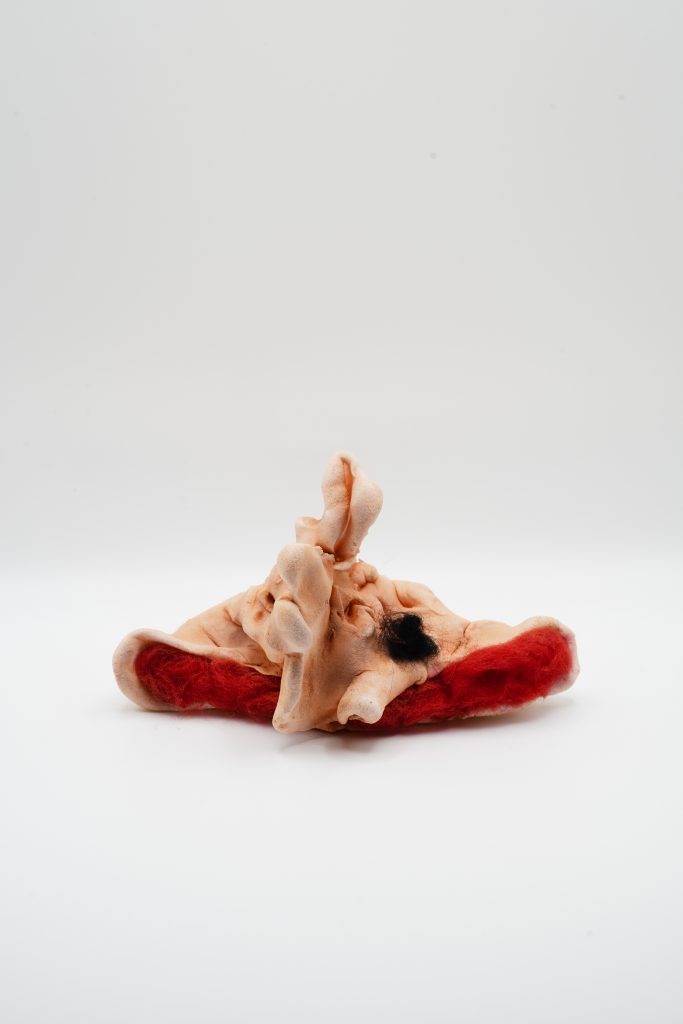
In Unit 3, my project focused on rethinking the relationship between the individual and the family through a series of participatory workshops. These workshops invited participants aged 18–24 to share memories and emotions related to their family and to translate these feelings into small hand-made sculptures. Each sculpture represented a personal interpretation of “home” —…
-
An Emotional Support Card System Based on Service Design and Psychological Narrative Methods Research Onion to My Project
Part 1: This study employs Saunders’ “Research Onion” framework to systematically construct a research pathway for “Family Emotional Support Cards,” unfolding layer by layer from philosophical stance to specific methodologies. The research first establishes constructivism and pragmatism as its philosophical foundations. Constructivism emphasizes the subjectivity and narrative nature of human experience, aligning with the project’s…