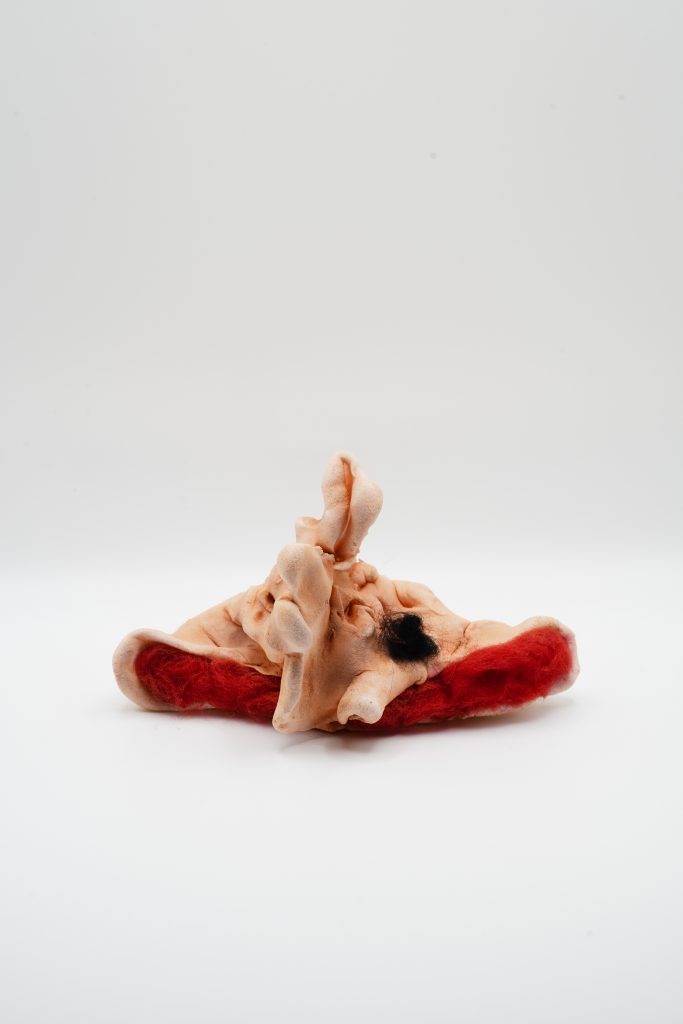
1.Chan Kai-kee, “A Family of Time Collage
All history is personal.
Around 2006, Chen Qiqi began the creation of My Shiqian, using memories from a personal perspective as a clue. He focuses on the concepts of family, clan, era, history and region, and has produced a series of results. For example, in terms of artistic creation, his “Chinese Family Series”, which has lasted for many years, started from the social family in the broader sense, and then gradually deepened and unfolded, and in recent years, he has returned to combing and reflecting on his own family, presenting the living conditions of the ordinary people at the bottom of the Chinese hierarchy through the artist’s personal concepts and perspectives.
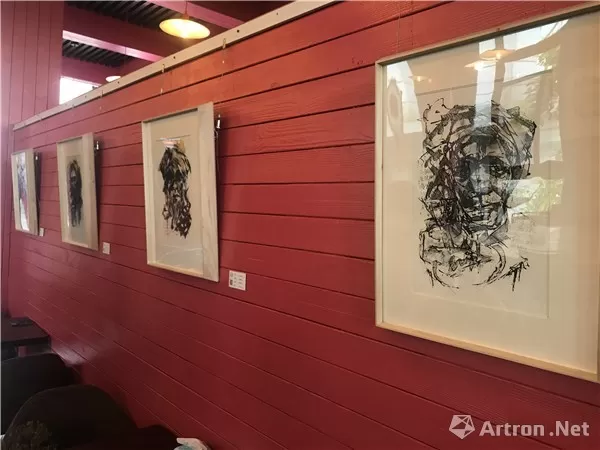
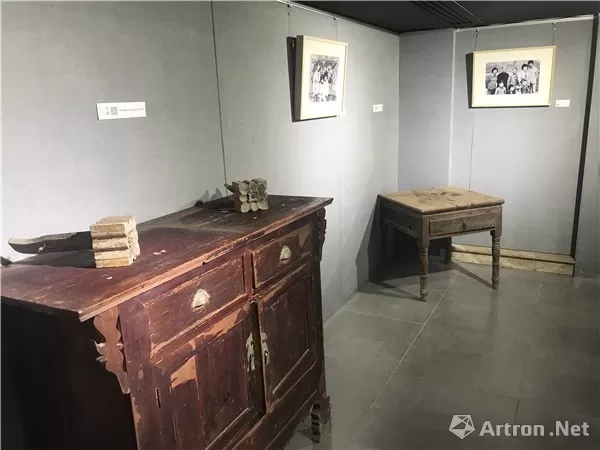
“He began to wander when he was a child, and the experience of his childhood is unforgettable forever, and there is always a kind of care for the bottom and life in his heart, and he is deeply interested in the deep things, and incorporates them into his artistic creation and writing respectively.” Author Chen Qiqi said that after reading the famous writer and calligrapher Mr. Dai Mingxian’s “One Man’s Anshun”, he decided to record his hometown Shiqian from his personal perspective. After that, he was deeply impressed by the twists and turns and bitterness of his family’s fate, so he decided to create the book “Time Collage of Family”. After that, at the suggestion of the writer Dai Bing, there was this documentary exhibition.
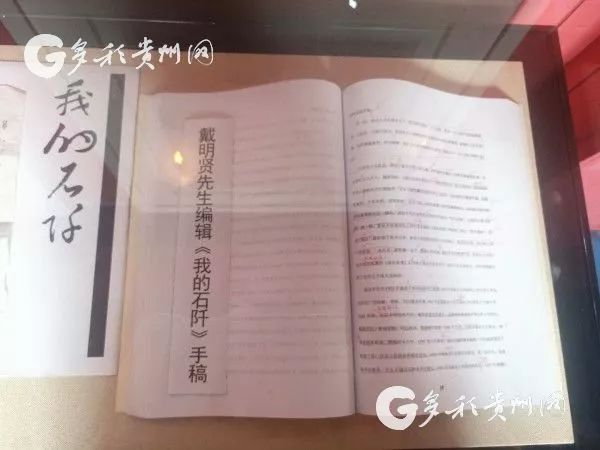
This solo exhibition after two years is centered on the artist’s personal perception and experience of his hometown. According to Mr. Dai Bing, the exhibition consists of five physical parts: two books, “My Shiqian” and “The Family of Time Collage”, the manuscripts of the books, old photographs, and illustrations made for the books (although they were not used in the end), as well as some old objects. Some of these objects are from the past, some are from the present, and with any luck, some of them will survive into the future. By placing these objects from different periods in the same gallery, there is a juxtaposition of history and a collage of time.
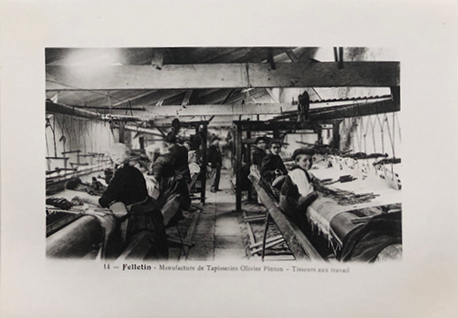
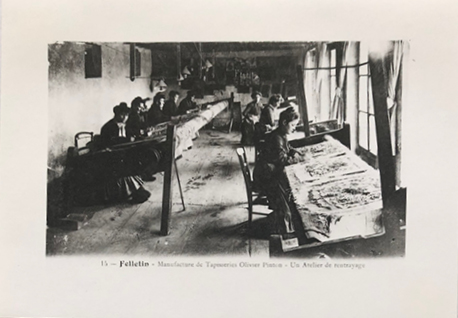
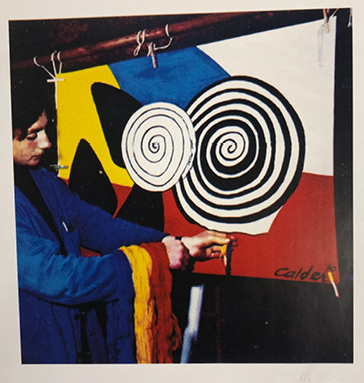
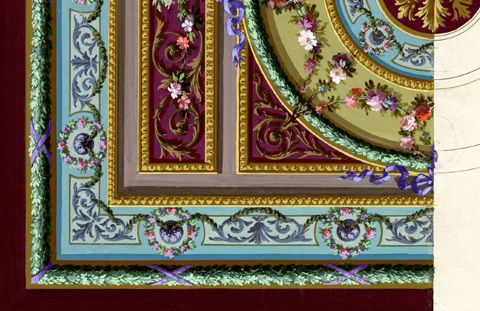
2.Six generations of the PINTON tapestry family
The family archive holds more than 4,000 patterns, translating the designs of Le Corbusier and Calder into rugs. Contemporary master Lucas Pinton has revived the “numbered pattern technique”, revitalizing traditional craftsmanship in association with contemporary art.
3.CHEN SHAOXIONG
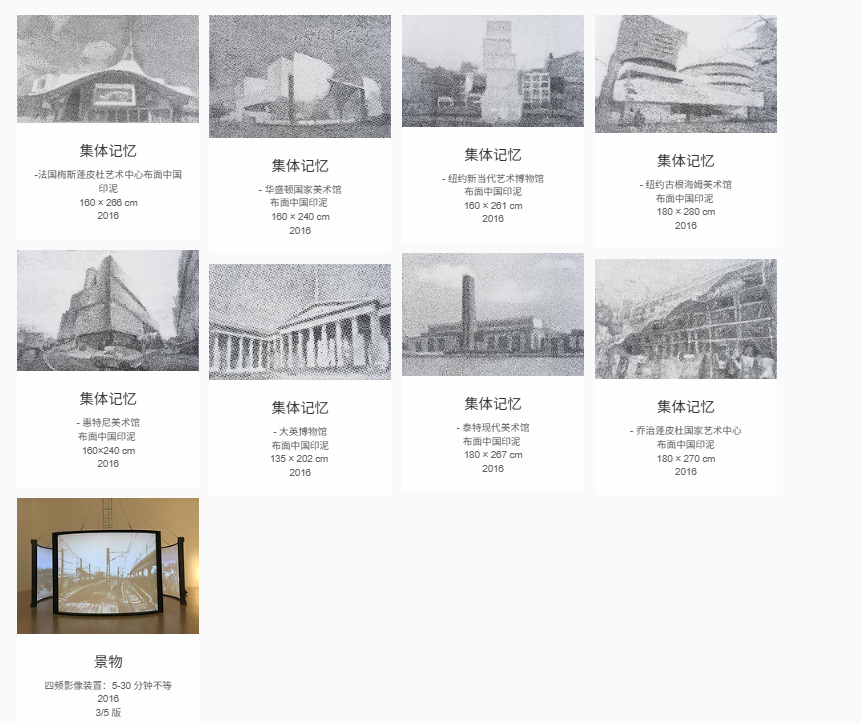
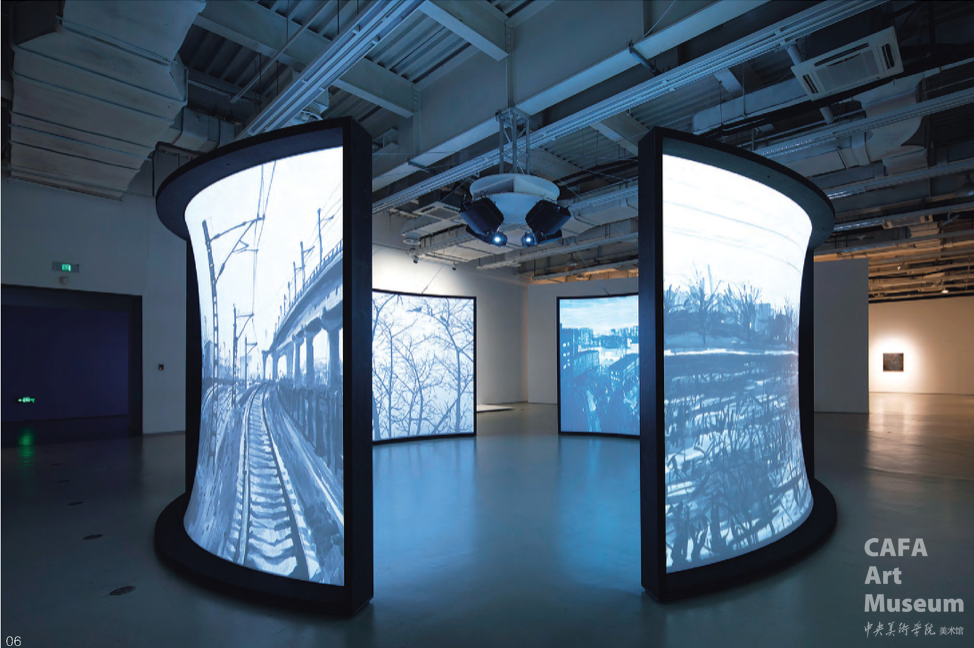
Tang Contemporary Art is pleased to announce that on October 29, 2016, it will present Scenes: New Works by Chen Shaoxiong. The exhibition will feature nearly a dozen works from the “Collective Memory” series, a continuation of a previous public program in which the general public was invited to create architectural landscapes of famous art museums around the world by using Chinese sealing clay to point and click. In addition, the exhibition will feature the large-scale installation Scenery, which makes its first appearance in Beijing after being shown at the Museum of Contemporary Art (PSA) in Shanghai.
“The Collective Memory series was created by digitally reducing photographs into pixel dots of varying sizes, then inviting community members with shared memories to collaborate and form an image with their fingerprints in lieu of the potion used to develop the photographs, a methodology that lies somewhere between photographic darkroom technology and painting production techniques. It is a collective reminiscence of their shared living space.” (Chen Shaoxiong: Autobiography of Collective Memory)
For this exhibition of new work, Chen Shaoxiong has chosen to set the scene for public cultural institutions in the midst of the city – museums and galleries around the world. The Louvre, the British Museum, the Museum of Modern Art in New York, the Pompidou Center, the Guggenheim, the Tate Modern …… are in themselves highly expressive and exciting buildings. They are increasingly important sites in the cultural life of cities, where the origins of elitism are redefined as “attractions” and landmarks with a wide audience. Chen Shaoxiong invites students and members of the general public to participate in the fingerprinting of these architectural landscapes, using their fingers to recreate them on canvas in a process that combines various linguistic modalities such as photographic imagery, software manipulation and painting. This is the kind of public participation in art that Chen Shaoxiong has been focusing on in recent years, and “represents the democratization of image culture and knowledge production (Hou Hanru)”.
Scenery, a large-scale video installation created by Chen Shaoxiong in 2016, features four curved screens displaying images of familiar landscapes in our daily lives. The artist cuts out fragments of time and space during his long journeys, keeping them constant as the world around him continues to change. The magpie perched on a treetop, the man pushing his bicycle across the railroad tracks, the lotus pond in winter, the dog skulking around …… These tiny fragments of time escape their original destiny and are sealed forever, like insects in amber, becoming Chen Shaoxiong’s personal remembrances. As the viewer watches, scrutinizes, and gazes, this scene of inner freedom will trigger multiple perceptions and link up with more memories.
4.Jinsong Wang
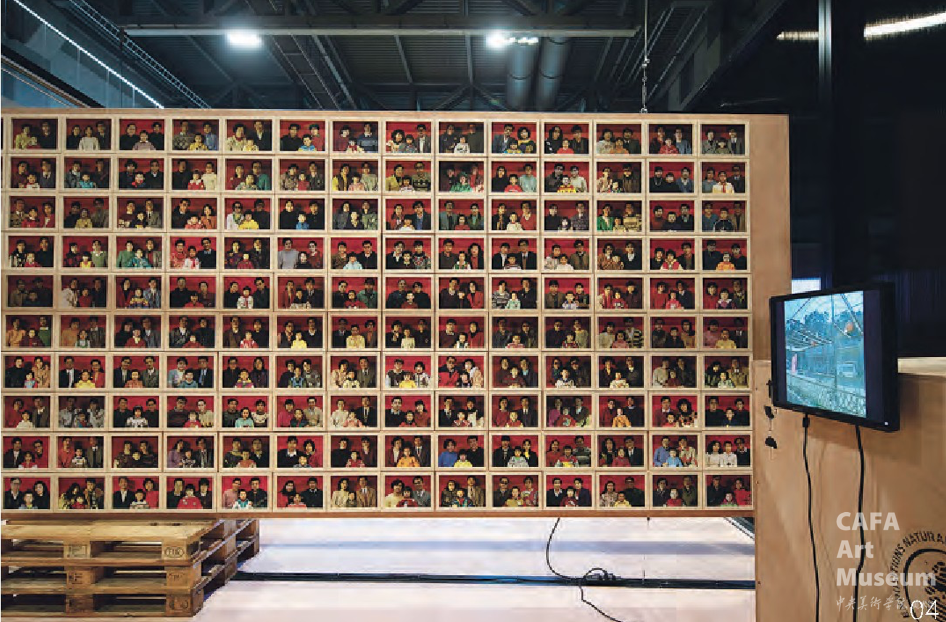
Inkjet print of 200 photographs of a family of three: neatly arranged to reveal the standardization of Chinese family structures, juxtaposed with Boyce’s Blackboard Drawings in the PSA Collection in Shanghai, asking “Is the family a social sculpture?”
Leave a Reply