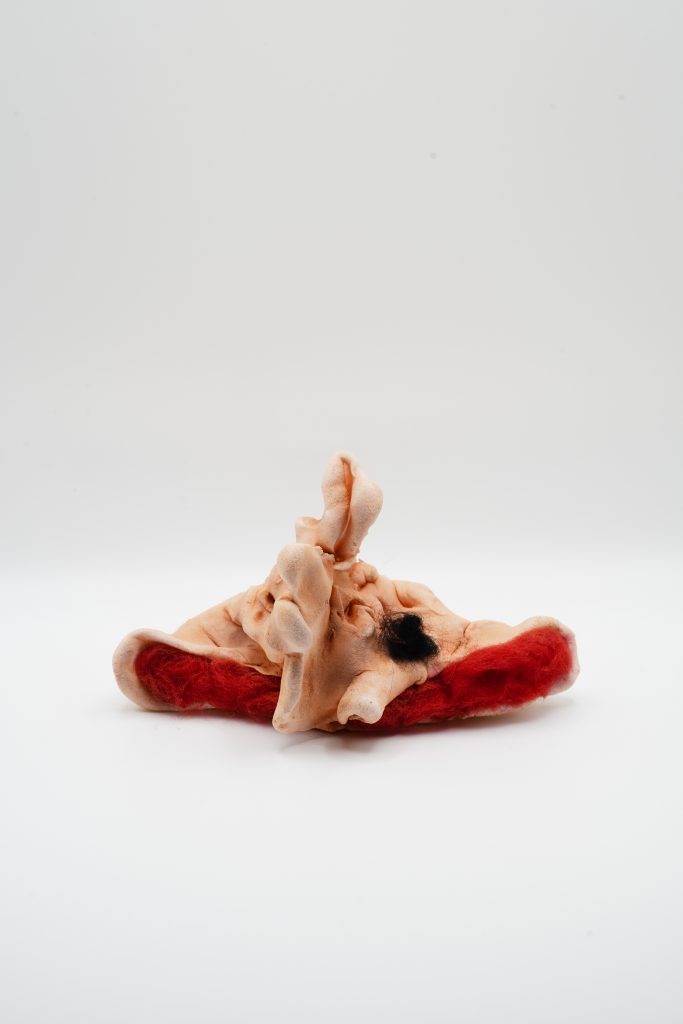
1.Huang Qingjun “Family Pawn” New Works Exhibition(2015)
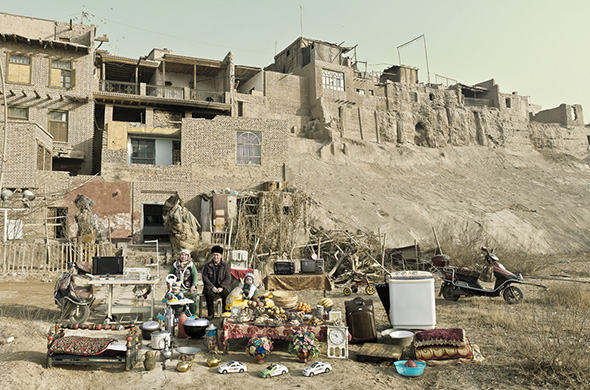
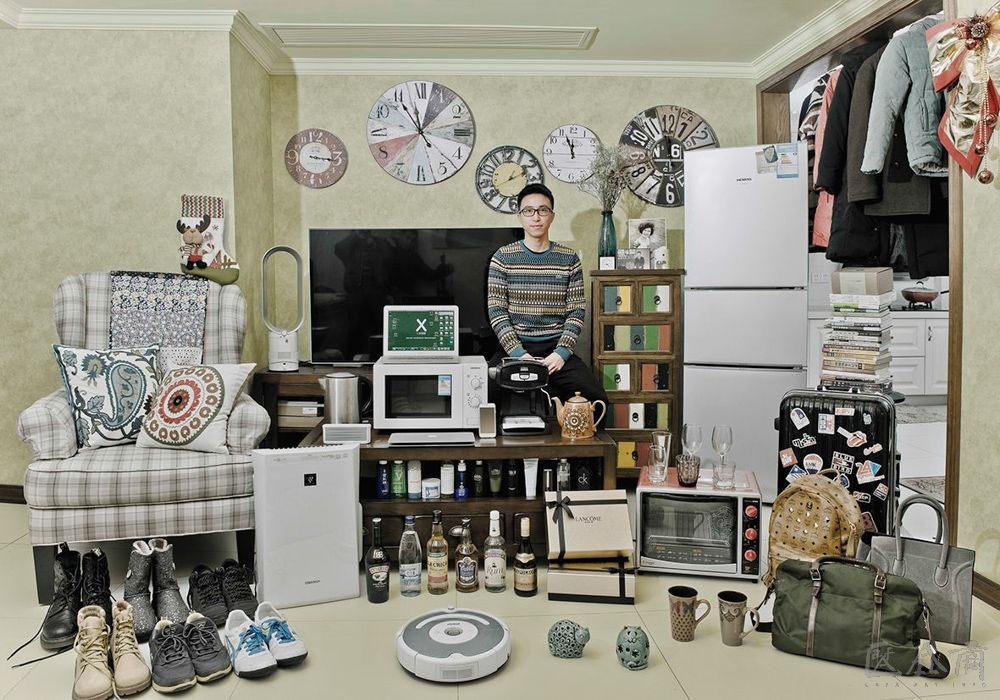
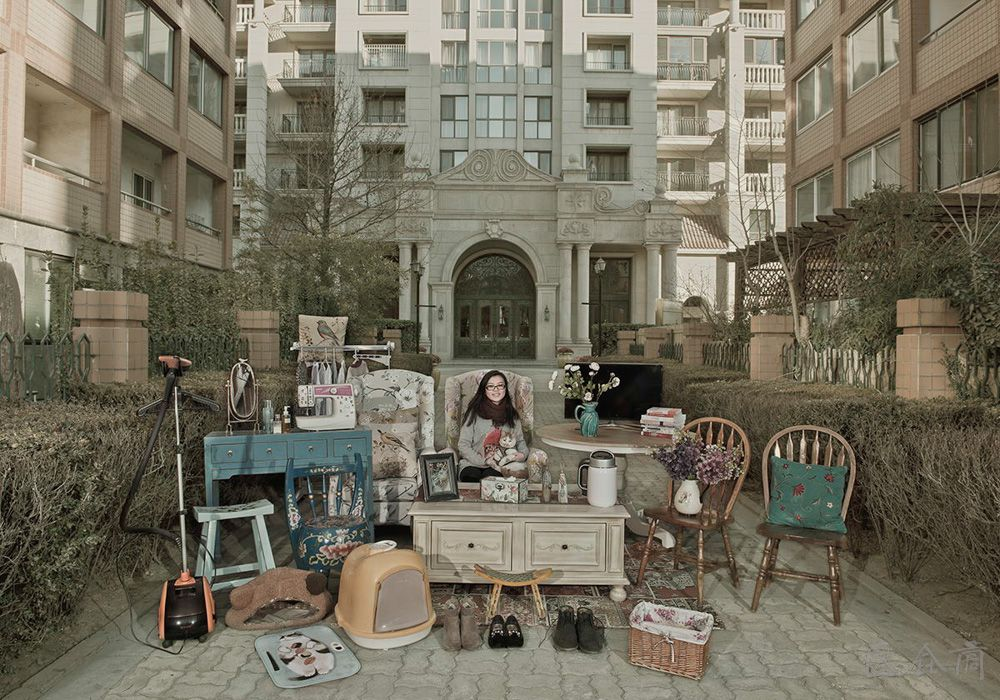
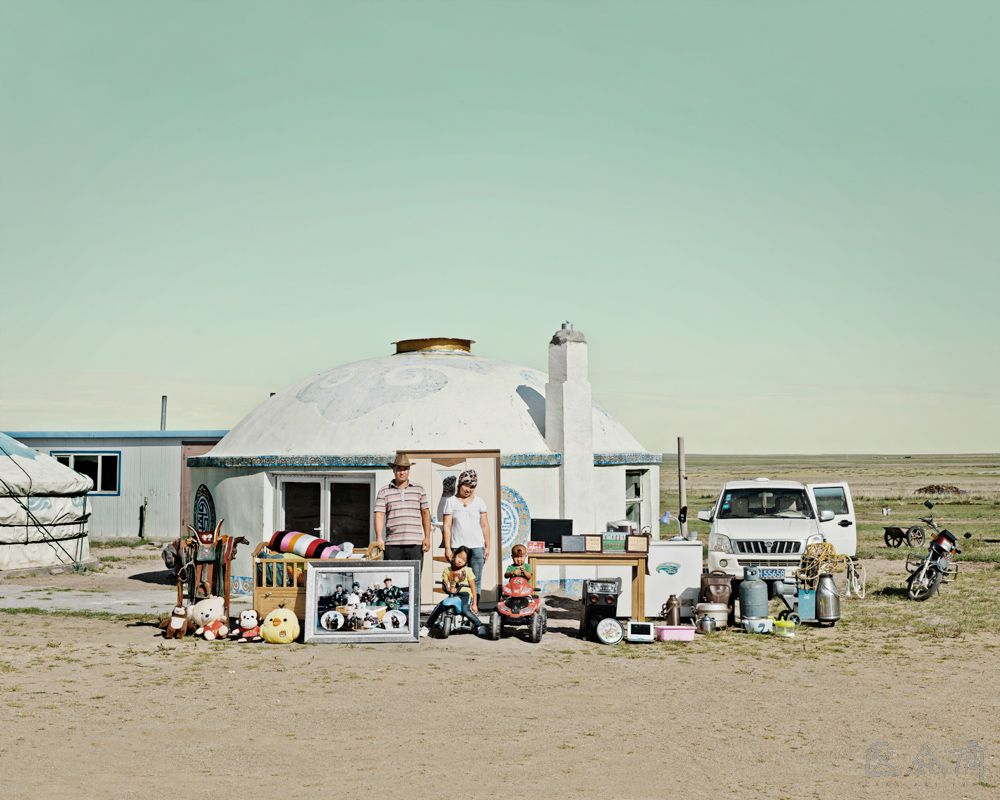
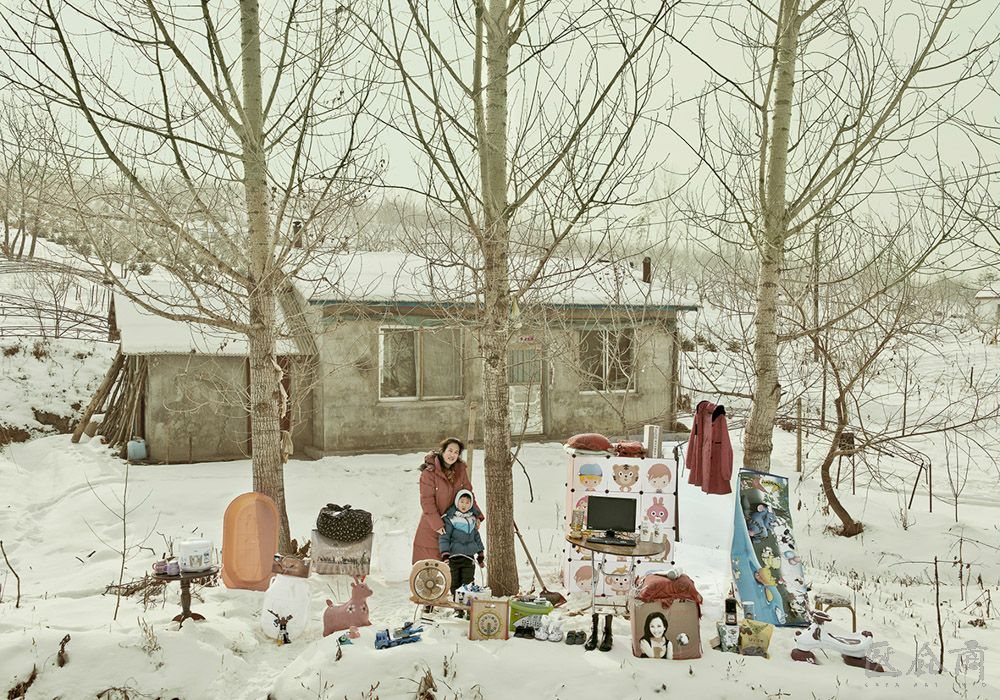
Huang Qingjun’s series of video works “Family Pawns” is based on the generational background of modern China. In the accelerationist China, through the city and the hustle and bustle, we capture the objects in our lives, and use the form of the objects to reflect the inner attributes of the people who live in them.
Image as art is not a passive record of reality, but reflects the artist’s subjective consciousness of actively intervening in reality. The group of works “Family Pawns” fully demonstrates this special function of video art. Huang Qingjun traveled to many regions in China in order to shoot his works, and consciously chose the most representative images of living in China that are most characteristic of the current life in China. These images seem to be the bones of Chinese society, showing various characteristics and meanings.
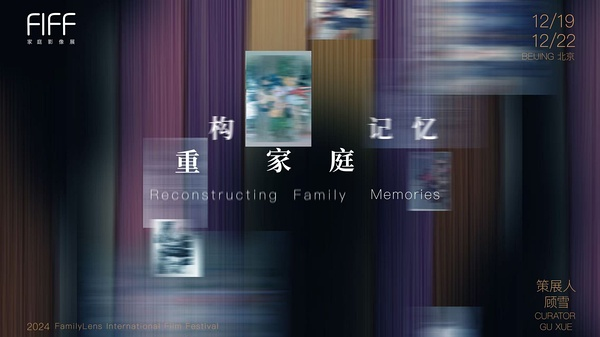
2.Reconstructing Family Memory丨The 2nd Family Video Exhibition(2024)
This year, when I was organizing my family’s old photos, I found that I had no recollection of so many things, and my family members had different memories of the same thing. Later on, I did a series of exhibitions and workshops on family archives in the Family Image Gallery, because I wanted to take this opportunity to think about memory.
“Reconstructing Family Memory” is a retrospective, compilation and narration of past family memories from the perspective of the present. Family members are invited to recall the past, to find the relationship between their narratives and history, and also how family stories and even social memories are constructed.
In the process of looking back at memories, the multiple interpretations of past experiences by each family member allow us to better understand their relationships. Memory shapes people’s perceptions of themselves, and when we rewrite family memories in words and images, it is a re-telling of “my” story, which is closely related to the present and helps us connect the past with the future.
Movies are a part of memory, and we approach the past through revisiting old places, asking questions, and acting, etc. The present record is also a way of creating memories for the future, to archive things that will disappear. Memory is not a static word, but is constantly re-changing with the narrative, a dynamic process that is full of feeling and imagination, and will be a pathway for our ongoing exploration of identity, history and emotion.
a.Rivers and my Father (2017)
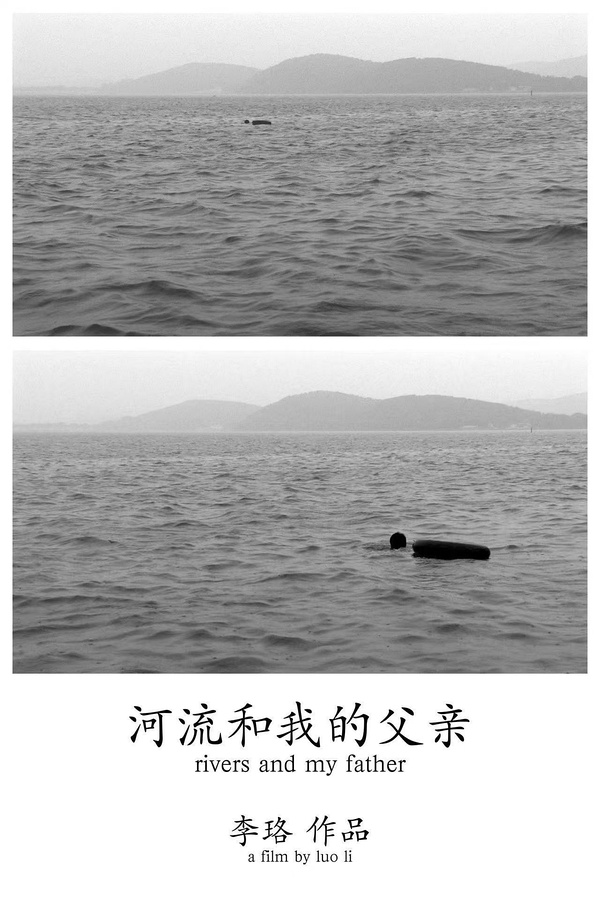
Based on the personal experiences of the director and his family, the film weaves together a set of childhood memories to form a river-themed memoir. The director, as well as his father and grandparents, grew up along the Yangtze River. Various memories in the movie also unfold against the backdrop of the Yangtze River. Due to the distance in time and space, these past events are like rivers flowing on a map of the past. Combining the forms of drama and documentary, the movie tries to poetically recreate and connect these memories by exploring the possibilities of images, sounds and voice-overs.
b.The river of life (2014)
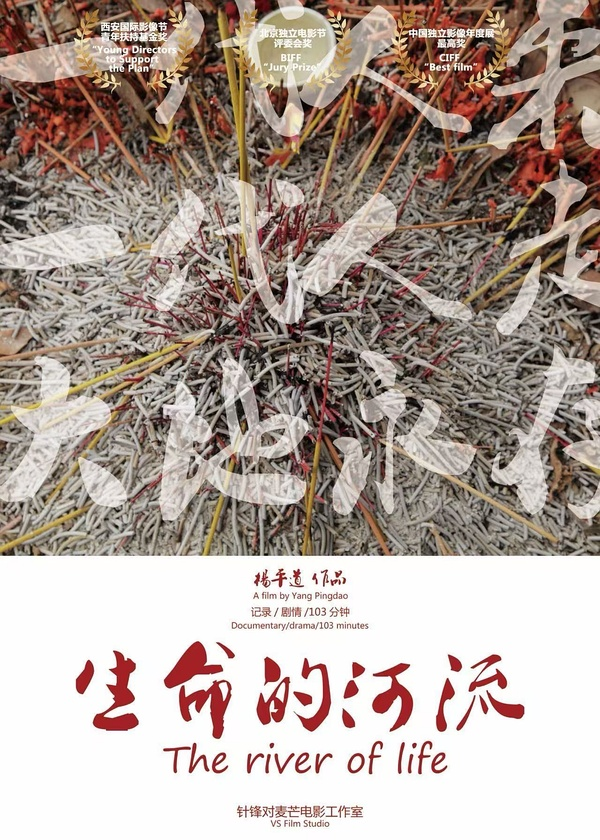
I have sensed the imminent passing of my grandmother, who raised me, for nearly thirteen years, and who has been thinking of her oldest son, my father, who left her first, and, as with my father, I feel just as powerless to do anything about it, and the only thing I can do is to give her, before she goes up in the air, a history of her, of my grandfather, and of myself – a family life history. My daughter was born four months after her grandmother passed away, unable to live in the same space and time, and during her lifetime my grandmother thought about her great-grandchildren all the time, but regretted not being able to meet them. That’s why I made this movie, the alternation of life, the change of time as always, the inheritance of the broken has always existed, such as customs and rituals. When my daughter grows up, I want her to watch this movie. One should know the history of one’s family.
c.The City of Mirrors: A Fictional Biograph (2016)
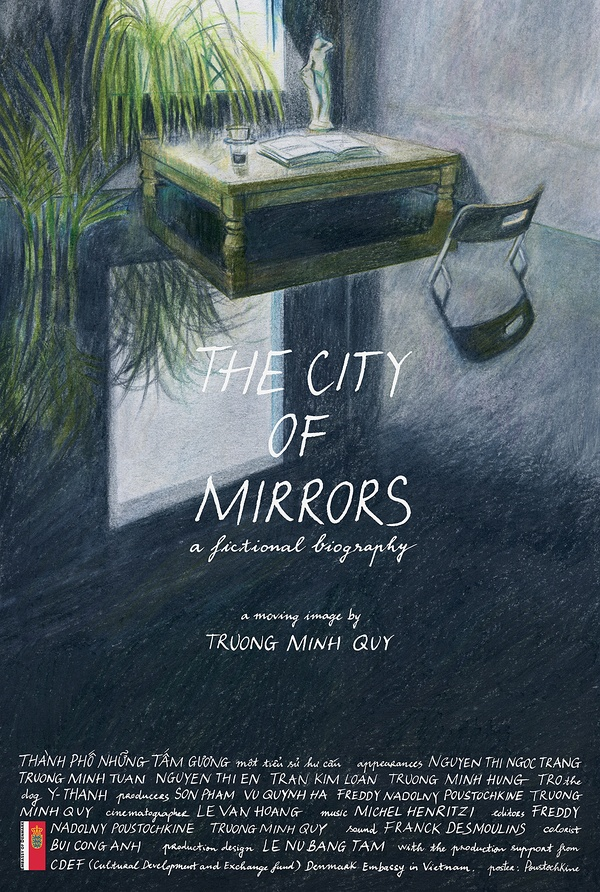
The movie tells a virtual story: in the future world of 2048, Vietnam will be flooded, and director Truong Minh Quy decides to leave his country in 2045. Back in 2015, Truong Minh Quy returns to his hometown to make the movie and cast his loved ones in their original roles. The film tells a story that spans three decades of history and is both documentary and fiction. It can be seen as a drama with narrative elements, but within the fictionalized images is another documentary film about family memories. The director’s juxtaposition of real and fictional elements aims to reflect on what is real in reality and what is real in the movie.
3.Qiangtong Mao ‘Recognizing Negatives’ (2022)
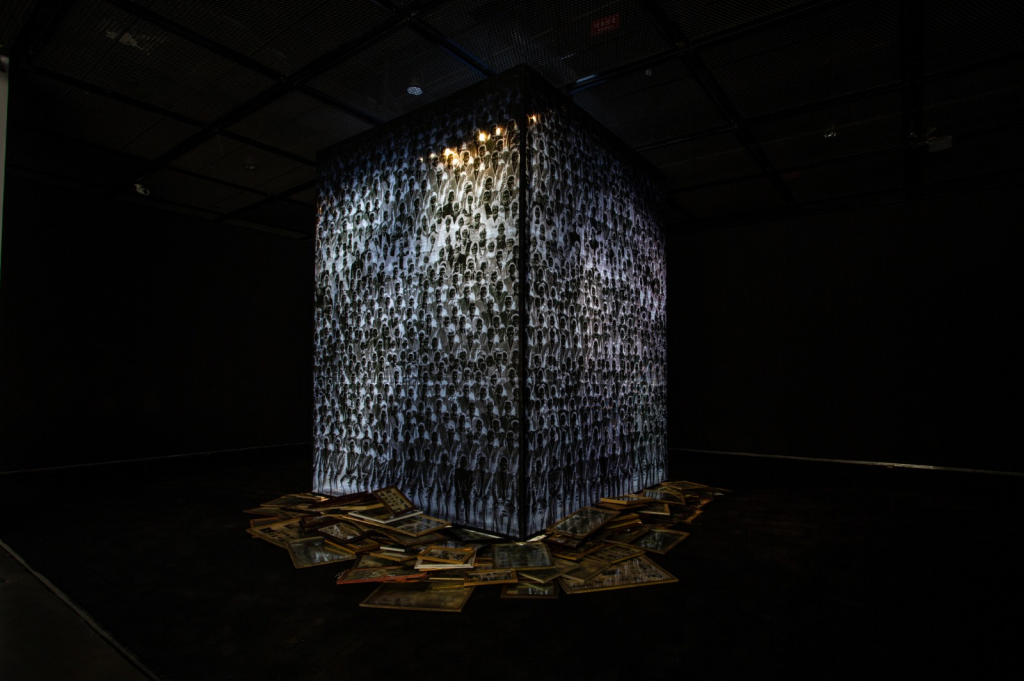
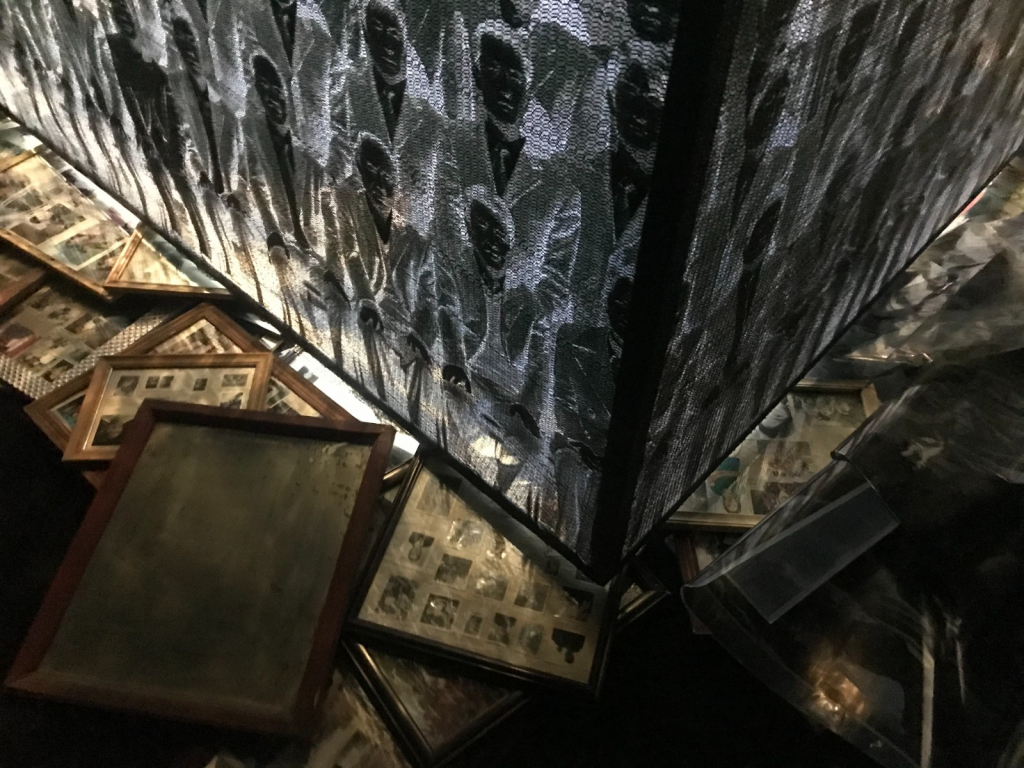
Using old photos and discarded negatives, these materials contain individual memories and even memories of the times, personal narratives and grand narratives, small families and “big families”, the present and history, which constitute the emotional charm, conceptual tension, historical weight and depth of the work.
4.Frye Families: Storytelling Through Objects
Leonardo Drew. Number 74, (1999)
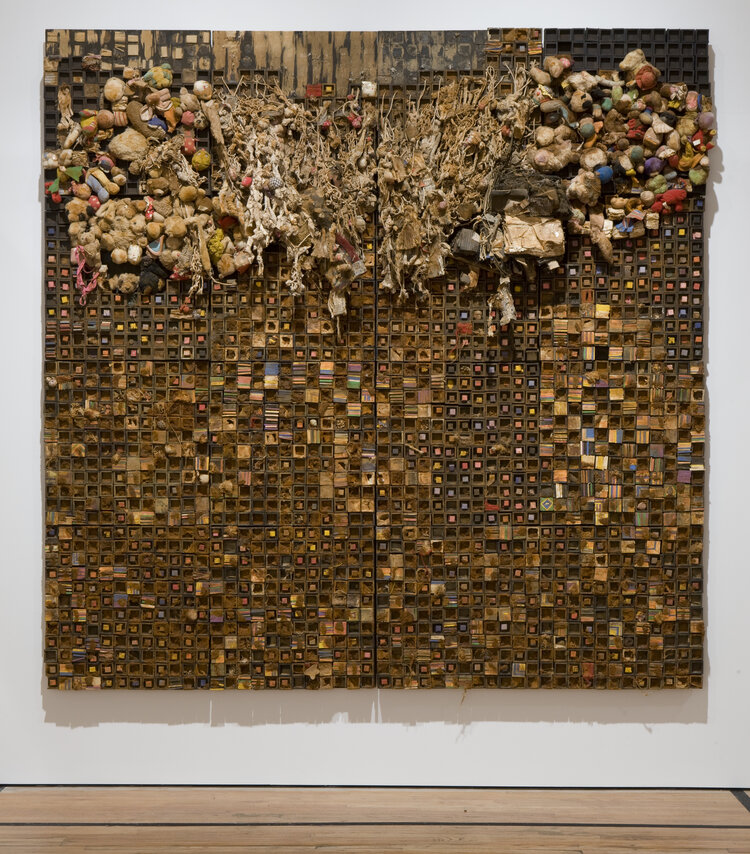
Leonard Drew started creating artworks from discarded objects as a young boy, having grown up in an apartment that faced a landfill. Though his current works might seem like they are composed of found objects, the materials he uses are often created in his New York studio and made to appear weathered and aged as he explores the concept of time.
Through experimentation with materials and processes, Drew allows his work to speak for itself. He often titles his works with numbers and offers no explanations, leaving their interpretation open to viewers.
How do you tell a story without words? To delve into that question, we will explore an artwork together before creating an arrangement with found objects that tells a story.
5.Boston University School of Visual Arts MFA Graduation Exhibition 2025: Artistic Exploration from Multiple Perspectives and Profound Social Responsibility
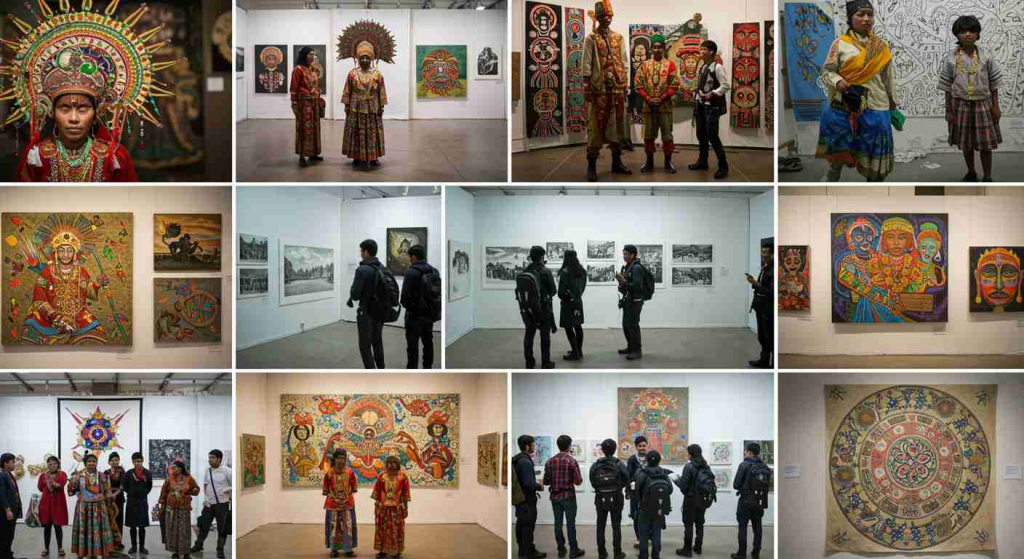
Jerry Rodriguez Sosa’s border-themed works, on the other hand, directly address hot topics in contemporary society-identity, culture, and the border.Sosa’s upbringing deeply influences his work, as the U.S.-Mexico border is not only a geographic dividing line, but also a meeting point of culture, identity, and politics. He utilizes printmaking techniques such as letterpress and monotype to explore his own coolie identity and Mexican-American cultural heritage. As britannica.com points out, one of the key features of contemporary experimentation in printmaking is the fusion and innovation of traditional techniques, and Sosa’s work exemplifies this fusion, combining traditional printmaking techniques with contemporary subject matter to create a distinctive visual language that expresses his own profound reflections on identity, culture, and borders.
6.Xiaogang Zhang
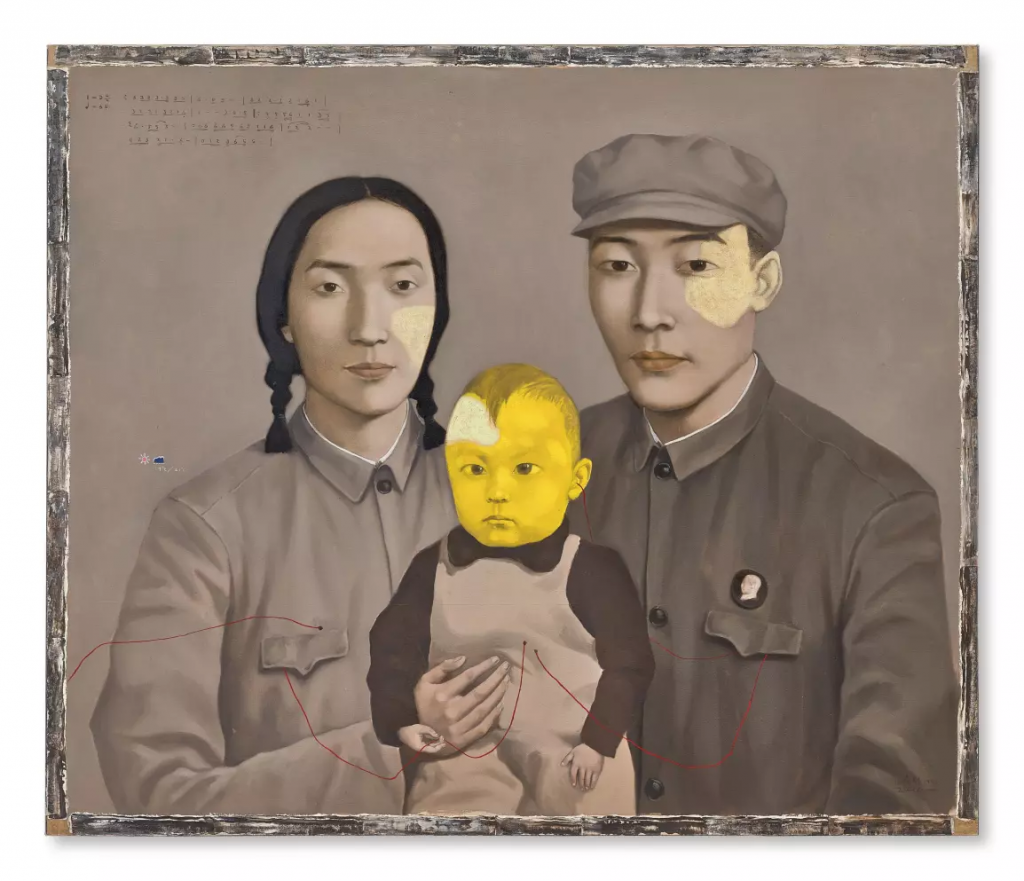
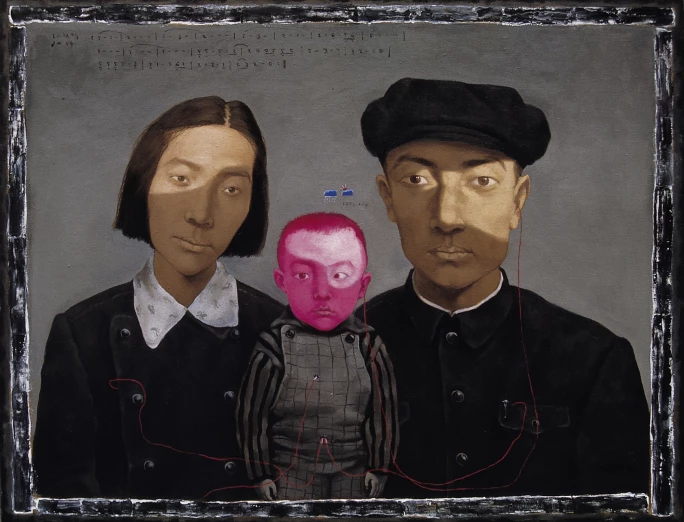
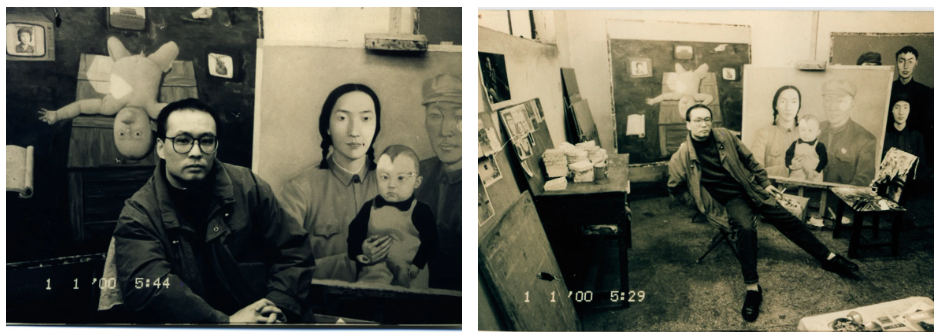
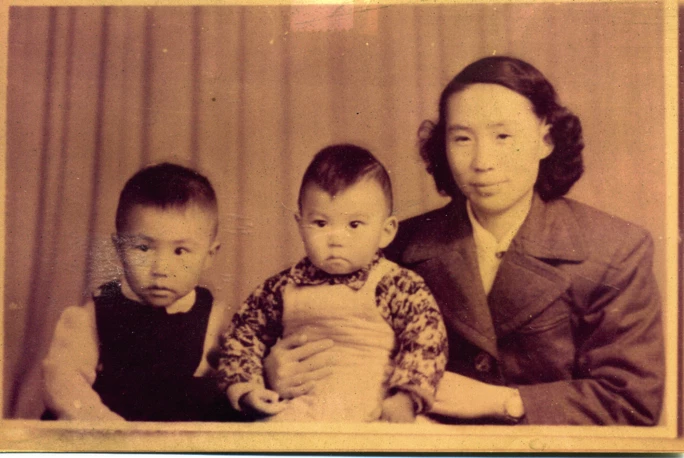
The Bloodline series is epoch-making, its aesthetic meaning resonating with generations, bringing an immediate and lasting impact to Chinese contemporary art, and becoming a deeply discussed part of the global cultural conversation. Even in the midst of global artistic trends, Zhang Xiaogang has remained true to himself, and although his works are sometimes misrepresented as “playful realism,” according to Anne Grinser, “Zhang Xiaogang’s works are not playful at all,” but rather filled with the ambition to create a personal vision. In the same vein, although the Bloodline series is often referred to as Zhang Xiaogang’s successful transition from “Expressionist artist” to “Surrealist artist,” a sentiment shared even by the artist himself, these terms of twentieth-century Western modernism may not necessarily reflect the reality of the situation. “Repression” may be a more appropriate adjective; the so-called surrealism is not about expression, but about concealment and resistance, which is the only way to attract attention. Zhang Xiaogang paints one formulaic beautiful face after another, and then connects them one by one with fragile blood-red threads. These wonderful paintings record his personal family memories, the collective psychological state of society, the dreams and dashed dreams of estranged generations, and also reflect his important position in the history of global art.
7.Yaning Wu-The Centipede Project(2020)
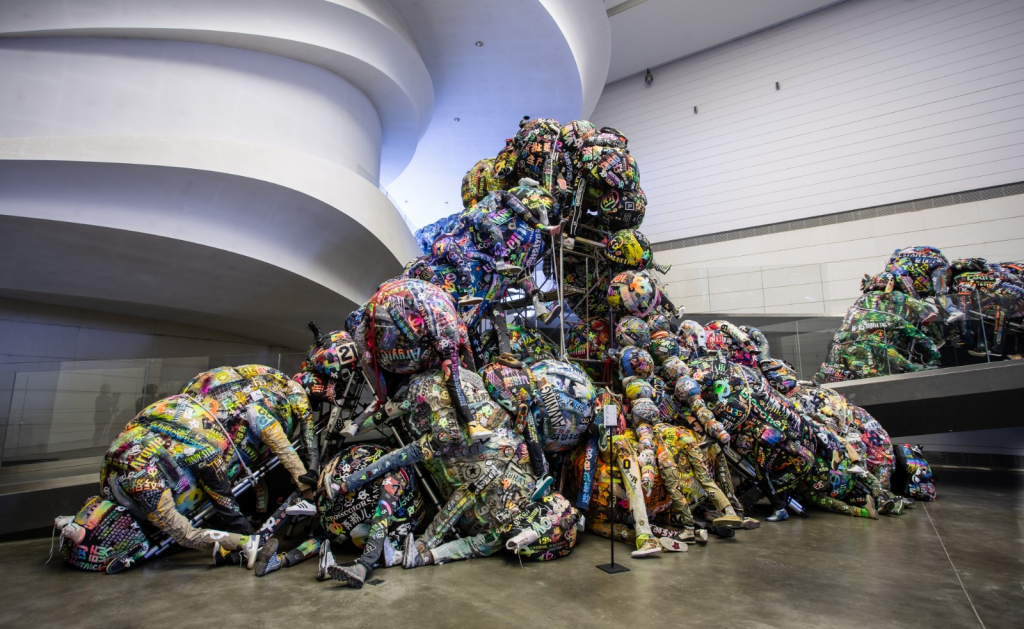
During the one-year period of completing this work, Wu Ningya summarized and sorted out the fashion evolution of the clothes he had purchased in the past twenty years, and accordingly collected 2,600 sets of clothes and 831 pairs of shoes as the basic materials for this large-scale installation. It can be seen that the work is directly inspired by the artist’s experience in contemporary life, especially in consumer life, and the daily ready-made products that make up the giant centipede-like installation show a reflective “trajectory of consumption” that evolves like a living organism.
Leave a Reply