On October 30th, I conducted the second test, this time with three participants.
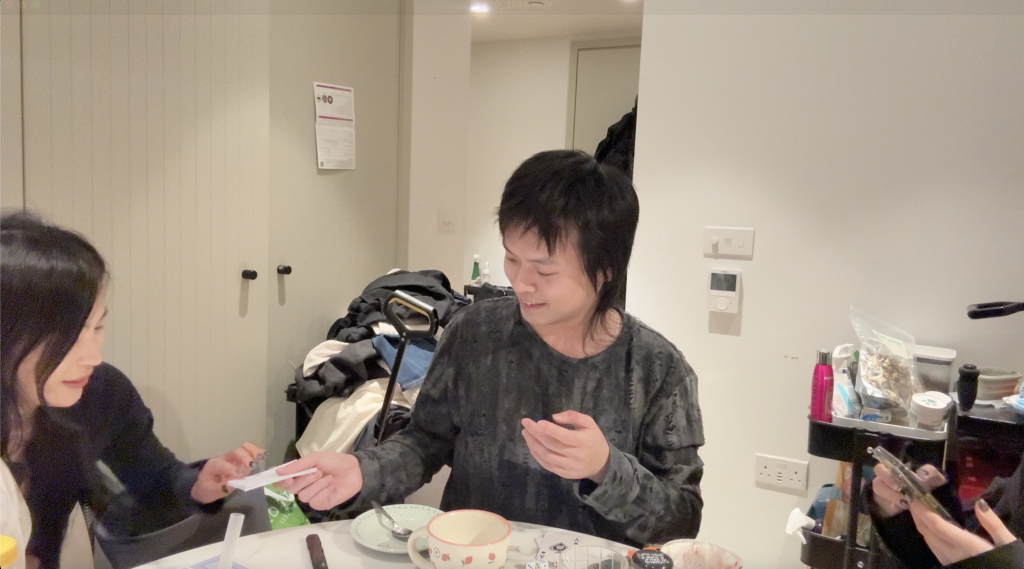
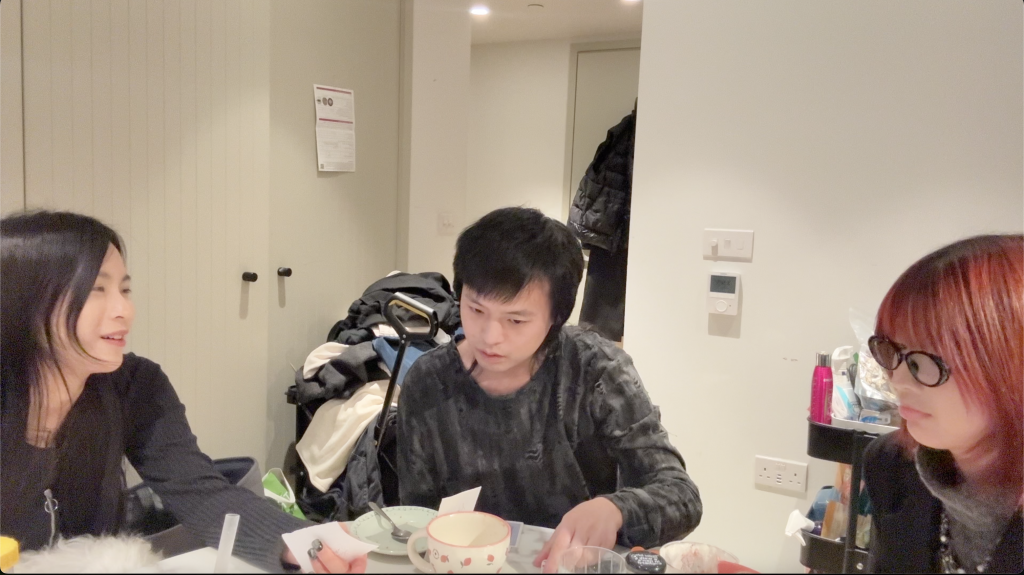
This test involved two rounds of gameplay, with the changes in user behavior summarized in the table below.

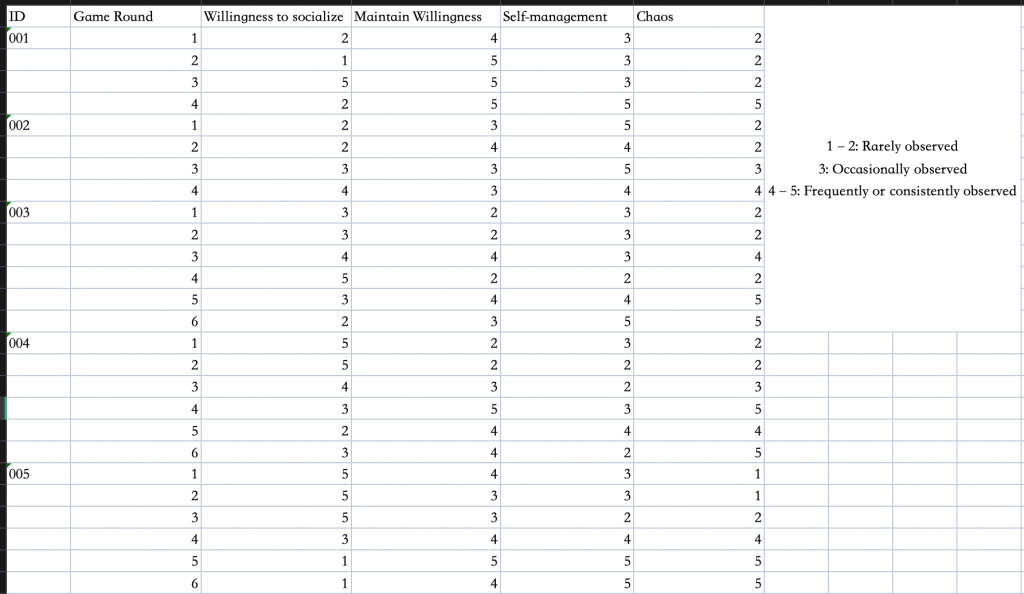
As shown in the table (003-005 represent the subjects of this test), players demonstrated improvements in social willingness, social competence, and social discernment. Furthermore, their actions in each round of gameplay reveal increasing confusion as the rounds progressed, leaving them uncertain about how to proceed. In post-game interviews, participants noted: 1. This version proved more engaging than the previous one, with player interactions serving as a microcosm of social dynamics; 2. Enhanced entertainment and competitiveness may have diminished the introspective and reflective qualities of the original game; 3. While thoroughly enjoyable overall, the experience left them feeling exhausted afterward.
At present, games do appear to have an effect in simulating social behavior and enhancing social skills. However, this effect only becomes apparent when users reflect on their experiences during researcher-led interviews. Without such prompting, the actual impact remains difficult to verify.
In my view, the current game mechanics—which prioritize entertainment value while incorporating player interaction—are superior to those of the previous version. However, it is worth considering whether the previous version’s emphasis on observing individual social behaviors and fostering reflection could be integrated into this iteration.
2025.11.02 Edit
After consulting with experts, their recommendations are as follows: 1. Avoid incorporating overly complex mechanics. The current version is sufficiently intricate; the self-reflection elements allow players to gain insights through repeated playthroughs. External intervention via game mechanics or external forces should be avoided. 2. Consider adding more events and quests to diversify the simulation of various social environments. Different card decks could even be created to match distinct social settings.
Leave a Reply