Category: Feedback
-
Third Round Test Feedback
This is the final round of testing for this project. I tested different groups of people and gathered their experiences after playing. Since the project is being promoted in China, anonymity and impartiality of responses were ensured. (No one knew the researcher.) After the playing, most participants showed an increased willingness to communicate with others.…
-
Second Test
On October 30th, I conducted the second test, this time with three participants. This test involved two rounds of gameplay, with the changes in user behavior summarized in the table below. As shown in the table (003-005 represent the subjects of this test), players demonstrated improvements in social willingness, social competence, and social discernment. Furthermore,…
-
First Round of Test Feedback
This time, I tried a two-player match and played four rounds. Below is participant feedback: 1.The game mechanics are a bit complex; it took me until the third round to grasp the rules. 2.Simulated existence allows one to experience the daily balancing act of fulfilling professional duties while maintaining existing relationships and appropriately forming new…
-
Social Card Test Scale
I designed a validation scale to quantify participants’ psychological changes. Based on participants’ baseline characteristics, the scale includes: – Quantitative analysis of social attitudes before and after the game – Qualitative and quantitative analysis of social behaviors during gameplay (tracking behavioral shifts from early to late stages) – Post-game follow-up interviews with users Through three…
-
Research on Social Connection and Emotional Energy among Chinese Youth
1.Research Objectives and Sample Overview This questionnaire aims to understand the authentic state, emotional experiences, and behavioral patterns of Chinese youth within social relationships, while providing psychological and sociological foundations for the mechanism design of the Relationship Management Card Game. A total of 100 valid responses were collected. The majority of participants were aged 21–26…
-
Creative Card Game Design
1.1.Abstract After going through Dragon’s Den and consulting with experts, I believe the current card game has two issues: 1. The project’s core concept is unclear; 2. It lacks commercial viability or scalability. This is because: 1. There are already too many card games focused on family issues, and this project doesn’t offer sufficient appeal;…
-
Questionnaire of card design
1.1. Questionnaire Your Age Under 16:12 16-18Yrs:12 18-25Yrs:14 25-30Yrs:15 30-45Yrs:0 Above45:1 When you encounter emotional distress related to family matters (such as arguments, misunderstandings, loneliness, or stress), what do you usually do? Endure it alone or avoid it:21 Talk to friends:13 Expressing through social media:26 Listen to music / Watch movies to distract yourself:32 Seeking…
-
How to design service-oriented tools to provide emotional support for young people facing family issues
1.1. Source of the idea During my tutorial discussions with my tutor David, I arrived at this idea. In the tutorial, I observed that workshops suffer from shortcomings such as limited practical effectiveness, inflexible scheduling, and an inability to provide immediate solutions. Compared to proven therapeutic approaches like art therapy, workshops function more as private…
-
Summary of the first workshop
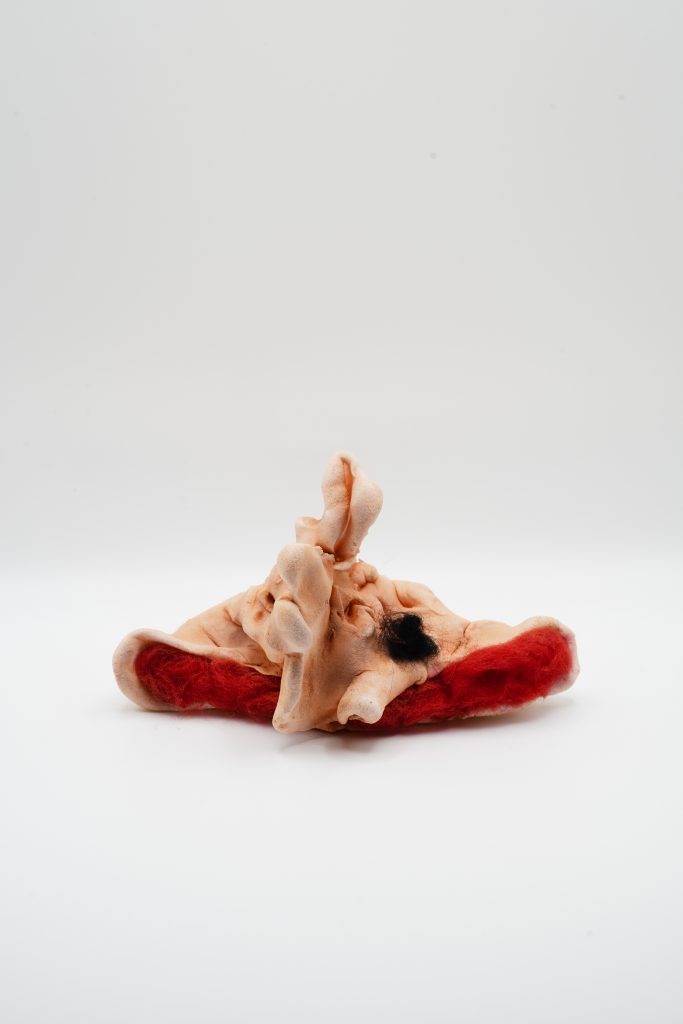
1.1.Abstract A total of five interviews were conducted during this workshop, resulting in the creation of approximately 15 sculptures. The five groups of people had different backgrounds and different views on family, and each encountered these sensitive issues: parental divorce, homosexuality, son preference, mixed-race children, and family oppression. Among these, family oppression is a problem…
-
Summary of the First Intervention
1.1. Outlined The first intervention was carried out by asking about 35 participants of different ages to discuss a picture with 32 visual symbols, asking them to choose which ones came from the same family and to elaborate on their reasons. to analyse the identification of family symbols among different age groups in contemporary China…