In early April I was in my hometown doing fieldwork about my family history. The methods of investigation are: oral history of elders, research on family sites, and documentary research. At the same time, I am in the process of collating the information I have obtained and am thinking about how to create some digital outputs from it.
1.Introduction to the history and changes in the family:
According to the first edition of the Qing Dynasty genealogy and dictation of elders, my family originated in the mid to late Ming Dynasty when Che Ji, a judge in Hubei Province, migrated from Zhenjiang, Jiangsu Province to Shaoyang, Hunan Province. Prior to that, my ancestors were Che Yin, an official in Changde, Hunan during the Eastern Jin Dynasty, and Che Qianqiu, a prime minister of the Han Dynasty, was the originator of my family name. However, since the history of the Han Dynasty and the Eastern Jin Dynasty is no longer available, this study begins with Che Ji in the Ming Dynasty.
And then, the basic composition of the family was formalised in the fourth generation of Chezi’s grandchildren. Their four brothers divided the family to form each of the four major branches, while creating twenty characters as a method of establishing seniority. (Each character is a generation, and twenty characters would be twenty generations. For example, if I am the De generation, I am the 16th generation.) This way, the descendants have a system to record the family history and family members.
However, because of the family’s disagreement with the Qing government at the beginning of the Qing Dynasty, they were hunted down and killed by the Qing government. Character generations were also divided into show and hide. To display a character, the name must have the character in it, while to hide it, the name must only have the character’s radical (which is understood to be the root of the word).
Because of the massacres in the early Qing Dynasty, it was difficult for the four branches of the family to connect and economically decline. This resulted in the family not having a complete genealogy for about 100 years until the eighth revision of the family tree in 1996, when most members were combined where possible.
After the founding of the People’s Republic of China, the family temples and assets were confiscated and destroyed. (e.g., the family’s former streets and assets were rebuilt, and the clan temple was converted into a hospital.) As a result, almost all of the historic buildings that serve as proof of the family’s history were lost.
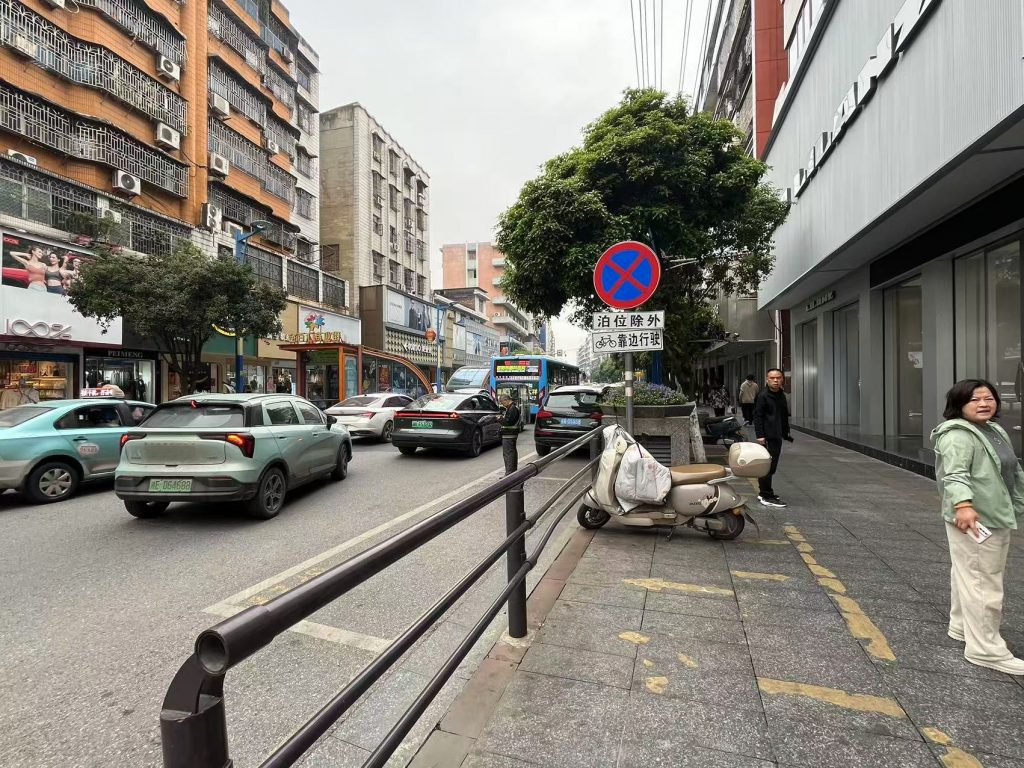
(Jurin Street was rebuilt as Dongfeng Road, once a family asset and now the CBD area of Shaoyang.)
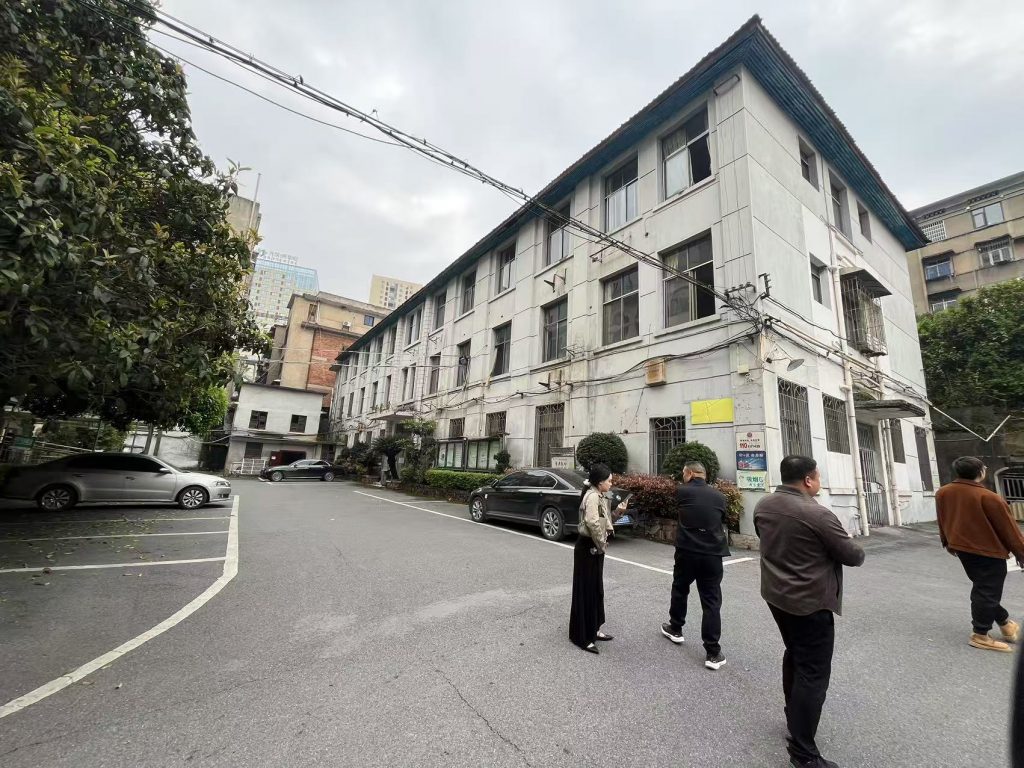
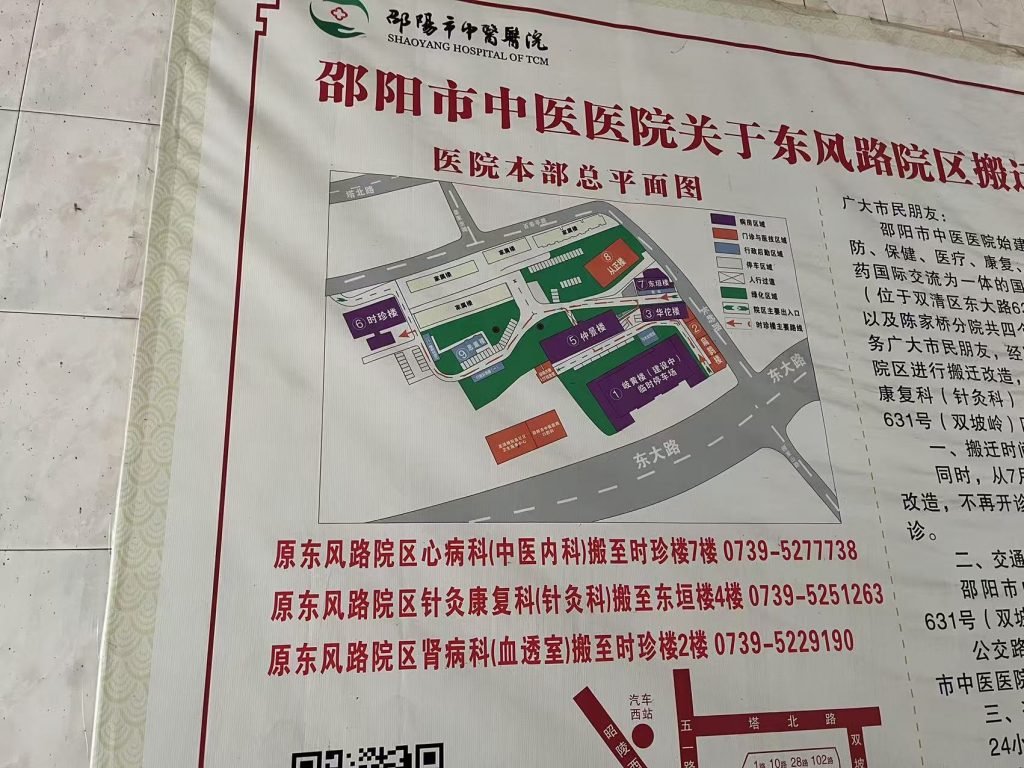
(The family’s ancestral temple was converted into a hospital)
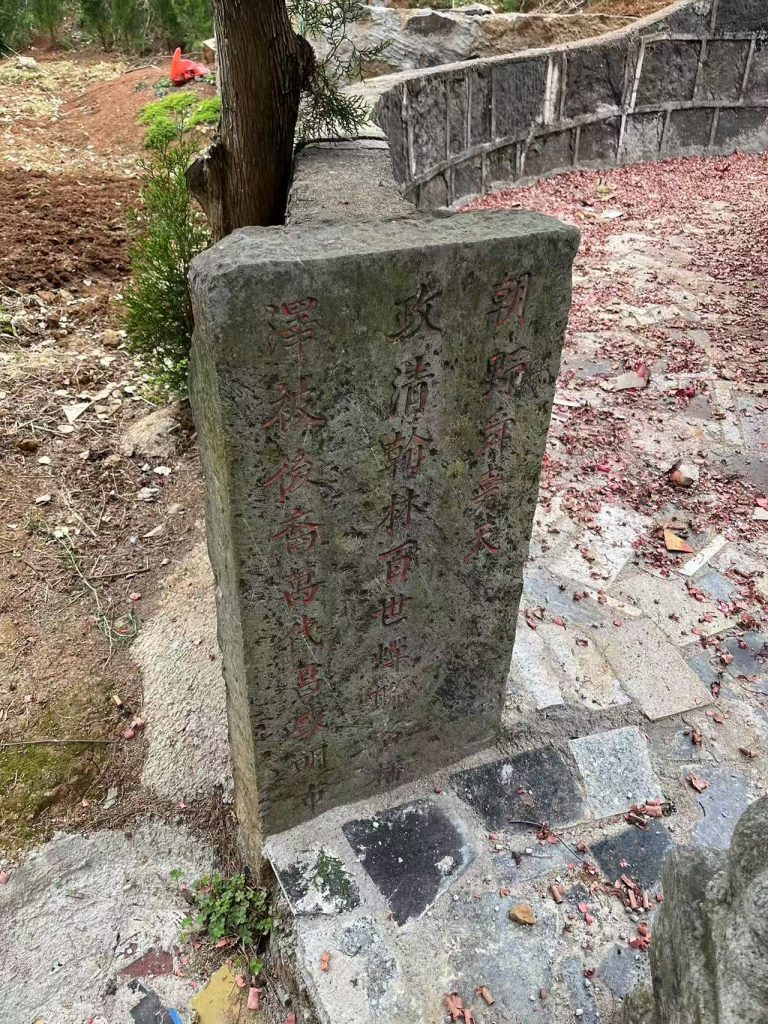
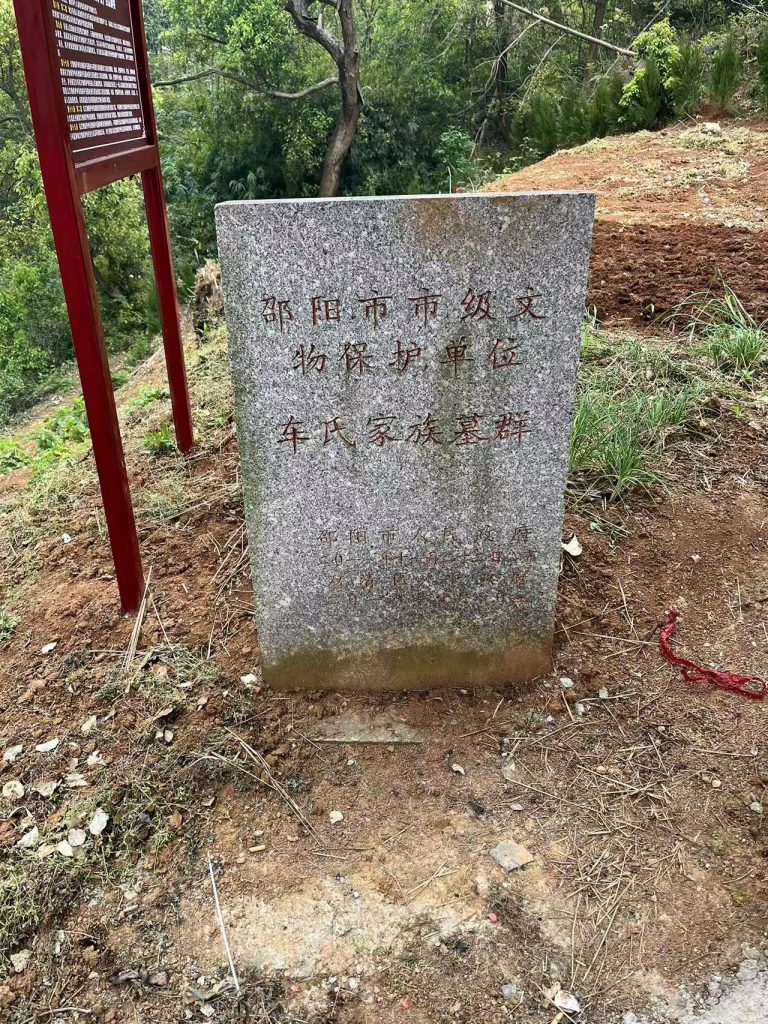
(Reconstructed family burial complex after destruction)
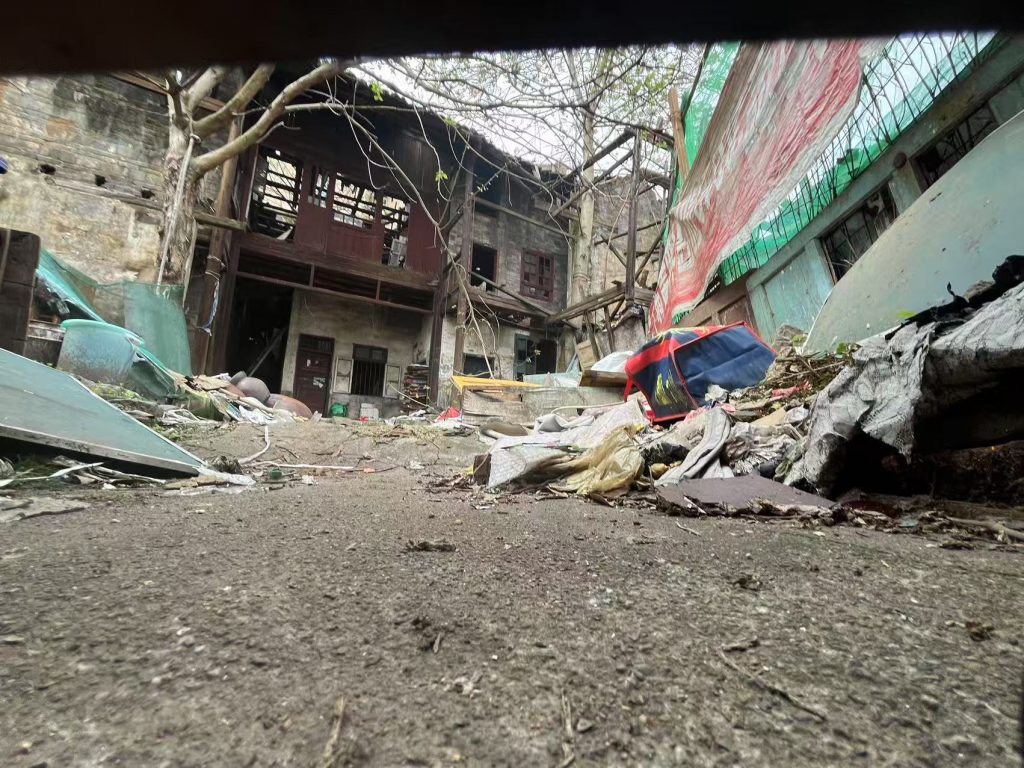
(Ruins of other family temples in the vicinity, which can be used as a reference for the restoration of family temples)
Baoqingfu Zhi’s record of Rulin Street and the family temple:
Rulin Street (now a section of Shaoyang Dongfeng Road) was named after the Che family in the Ming and Qing dynasties and the many literati who lived there. The street is adjacent to the examination hall (examination shed street) and the Palace, is the ancient scholars to catch the examination, the literati gathered place. The achievements of the Che family in the imperial examinations, such as ‘two scholars in one family’ and ‘three generations of Hanlin’, have made Rulin Street a representative landmark of Shaoyang’s imperial examination culture.
The Shaoyang Che Family Temple, located on Dongfeng Road (former Rulin Street) in Shaoyang City, was originally a Che ancestral temple, but was later converted into the Shaoyang City Hospital of Traditional Chinese Medicine. The main shrine of the temple is embedded with a gold-lettered plaque, which shows the respect for the famous minister of the Eastern Jin Dynasty, Che Yin, who is famous for his ‘reading by firefly’.
2.Modern family members’ identification with the family consciousness:
Contemporary family members show a tendency towards intergenerational and geographical diminution of family consciousness. Older family members (13th and 14th generations) are more respectful and concerned with family history, while younger family members (especially the 16th generation) have almost no sense of family. Family members in Shaoyang are more family conscious and more aware of their family history, while family members outside of Shaoyang know very little. This is due to the fact that family history and genealogy are transmitted orally and on paper, and that family ceremonies are only performed locally in Shaoyang.
Reasons for 13th and 14th generations to be concerned about family history: 1. to establish the authority of the family elders; 2. to be able to gather family members to run a business or go into politics; 3. education of grandparents; 4. influenced by the state’s encouragement of family culture.
Reasons why the 15th and 16th generations do not care about family history: 1. Hate parental discipline and thus detest the family culture; 2. Living in the city away from their hometowns without a cultural environment; 3. More concerned about real life; 4. Unable to obtain enough information about the family to build a sense of identity.
3.How to reconstruct records of family history in digital form:
In interviews with family elders, they mentioned the difficulties they had when they were working on their genealogy in 1996: it was difficult to contact family members across the country or even around the globe, and it was difficult to unify information in a paper genealogy. At the same time, destroyed historical buildings were difficult to restore due to urbanisation. So I thought that digitise the family history would be the best solution now.
Digital genealogies have been produced in the past, but the content is just a photocopy of the paper version of the text, which remains unalterable and highly accessible. I will build on this by making a large family tree, taking into account Xiang Fan’s approach. Each family member can interact to find themselves, learn about others or add newborn family members.
The most critical part of digitisation is the production of a series of family digital assets based on the family’s locality. Consideration needs to be given to geography, traditional folklore, family identity, past historical buildings and antiquities. Shaoyang is a region with many rocky mountains, and the overall natural environment is wood and stone. So the modelling materials for the digital assets are also mostly wood and stone, which also fits right in with the building materials of Shaoyang in the past. I plan to create a digital family shrine with the medium of WeChat applet, which is commonly used in China, so that it is easy to use for almost all family members. Each family member can access a range of information such as the family tree, ancient books, and family history through tactile interaction.
Historical materials related to Rulin Street:
Imperial examinations: Rulin Street is close to the examination centre (the street of the examination shed), which is a gathering place for students to take the examination and for the exchange of literati, and the Che family set up a family temple and a book collection building (such as the ‘Yajilou’), forming a cultural and ecological chain of ‘family temple, school palace and examination shed’. forming a cultural ecological chain of ‘family temple-school palace-examination shed’.
Commercial and residential: there were a mixture of shops and residential houses on both sides of the street, where members of the Che family enhanced the prestige of the neighbourhood through their official and academic activities, and participated in the local economy (e.g. chilli cultivation, trade).
Historical descriptions of family temples:
Architecture and Layout:
The Che Family Temple was originally the Shaoyang Che Ancestral Hall, located on Dongfeng Road (formerly Rulin Street) in Shaoyang City, which is now the Shaoyang City Hospital of Traditional Chinese Medicine. The main building of the temple, including the main hall, shrine, patio, etc., the main hall shrine embedded in the four gold-lettered plaques, ‘the bag of firefly to stay in the light’, highlighting the respect for the ancestor of the Che Yin. Street front door in the middle of the book ‘car family temple’, simple and solemn doorway
Decoration and Cultural Symbols:
Plaques and Couplets: The main hall of the Family Temple hangs the plaque ‘the bag of fireflies to stay in the light’, the two sides of the main door or have couplets, the contents of which are mostly related to the family lineage (such as ‘the bag of fireflies to read poetry and books to follow the world to revive the family’s voice’), reflecting the tradition of cultivation and study of the family.
Ritual Function: Inside the family temple, there is a shrine for the ancestral tablets, and in front of the desk, there are iron incense burners and other sacrificial utensils, and the architectural style is both practical and ritualistic.
With the development of the city, part of the temple was converted into a Chinese medicine hospital, but the structure of the main hall and some of the plaques remain in their original form.
Other Che family temples references:
Che Clan Ancestral Hall, Huizhou, Guangdong
Structural features: three courtyards, supported by stone pillars (e.g. 14-metre-high prismatic stone pillars), courtyard corridors connecting the ear rooms, and a water pond in front of the photo wall to regulate the climate.
Decorative details: wooden doors carved with portraits of Guan Yu and Zhang Fei, murals featuring peonies, pines and other motifs, and shrine tabletops preserving artefacts such as incense burners from the Ming Dynasty.
Inside the shrine, the couplet, ‘The vein connects with the auspicious energy of Luoshan, the shrine welcomes the spring breeze of Pungling’, reflects the fusion of geography and culture; the building adopts red stone pillars and white linen pillars to distinguish between the glory and incorruptibility of the ancestor and the descendant.
The above is the entire content of this research.
Leave a Reply