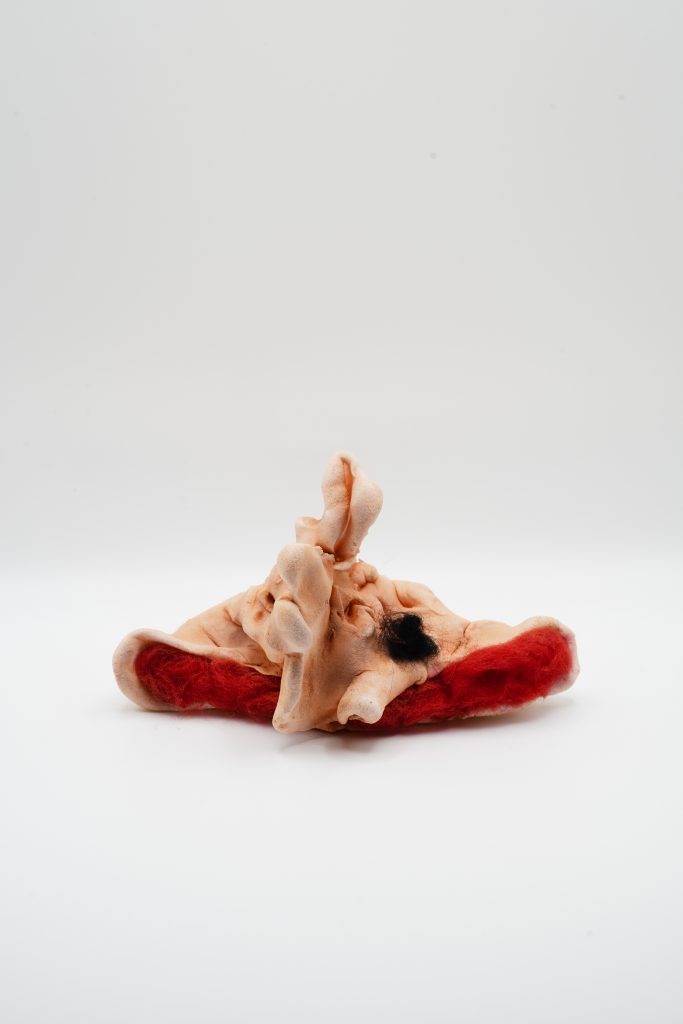
In Unit 3, my project focused on rethinking the relationship between the individual and the family through a series of participatory workshops. These workshops invited participants aged 18–24 to share memories and emotions related to their family and to translate these feelings into small hand-made sculptures. Each sculpture represented a personal interpretation of “home” — dining tables, windows, beds, and boxes emerged as recurring symbols of care, isolation, and memory.
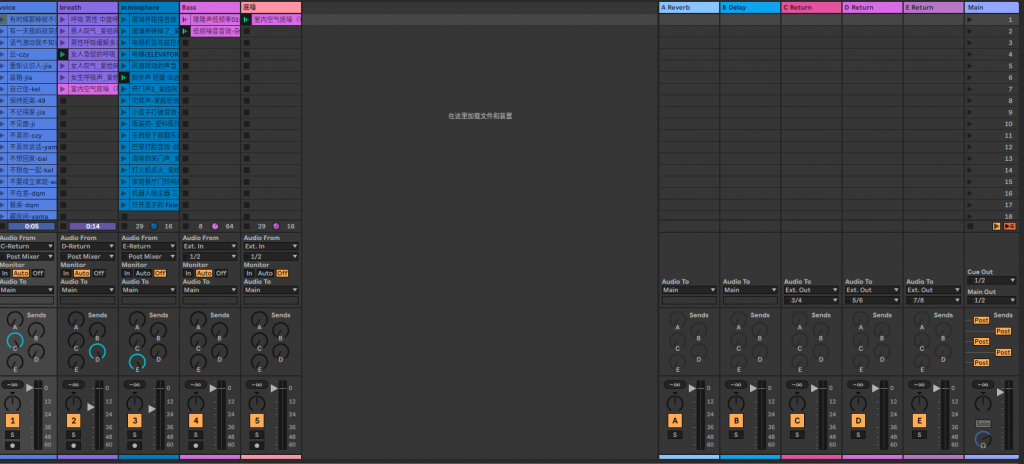
Alongside these physical works, I also collected sound recordings and short interviews that captured the participants’ breathing, pauses, and laughter — subtle elements that revealed the emotional landscape beneath their narratives. Through these experiments, I started to see the “family” not only as a social unit but also as an emotional structure composed of invisible gestures, silences, and shared memories.
Visual and Artistic Experimentation
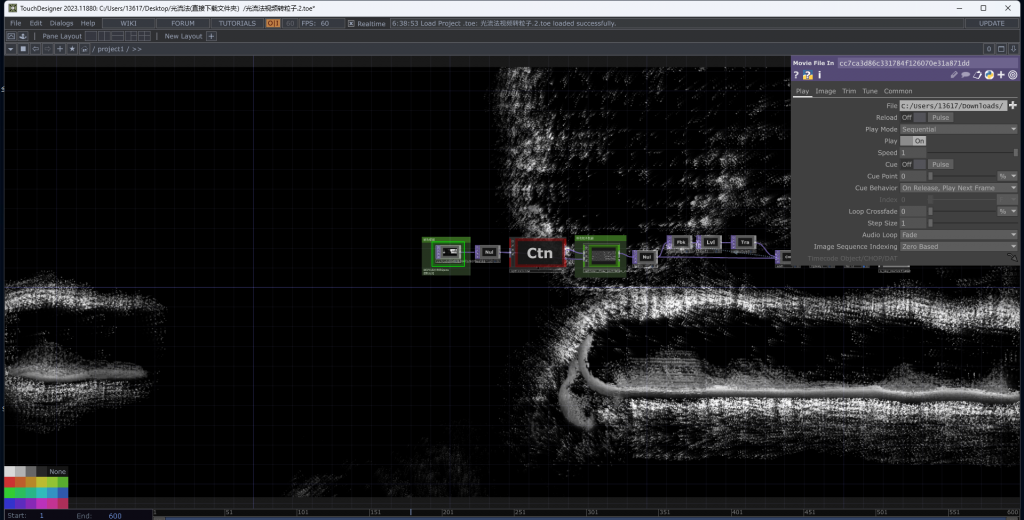
After the workshops, I began translating these personal and collective emotions into visual forms. I experimented with projected images, ambient soundscapes, and layered sculptural arrangements to construct an atmosphere of emotional intimacy. The installation aimed to blur the boundary between the participants’ memories and my own interpretation, forming a shared imaginary family space. This process helped me understand that my role as an artist is not only to document but to mediate and transform emotional data into new aesthetic and therapeutic experiences.
Transition to Unit 4 – From Collective Memory to Healing
The insights from Unit 3 naturally evolved into my current Unit 4 project: the Healing Card Project. During the workshops, I observed that participants often expressed uncertainty, anxiety, or emotional distance from their families. Many mentioned that they found comfort in sharing and seeing others’ stories. This observation inspired me to develop a new format — a deck of healing cards — as a participatory and reflective tool.
Each card combines visual elements derived from the sculptures, keywords from interviews, and emotional archetypes such as “expectation,” “care,” “absence,” or “forgiveness.” The cards invite users to interact, reflect, and rebuild their emotional narratives about family. In this way, the project moves from collective expression (in Unit 3) to individual reflection and self-healing (in Unit 4).
Current Progress
Currently, I have completed the first prototype of the healing cards and collected feedback from participants through a questionnaire. However, at present, there is no formal collection of user feedback on the cards. The results indicate that users appreciated the visual and emotional depth of the cards but suggested clearer instructions and stronger visual coherence between the text and image. Based on these insights, I am now refining the card design — experimenting with materiality, typography, and the emotional tone of imagery.
I have also started to plan how the healing cards can be exhibited alongside the sculptures and sound materials from Unit 3. The goal is to create a space where participants and audiences can draw cards, listen to family sound fragments, and experience a meditative environment that bridges research, emotion, and interaction.
Next Steps
In the next phase, I will continue to test the healing cards with a broader audience and document their reactions as part of my research on participatory and therapeutic art practices. I will also explore how the project can function as both a personal toolkit for self-reflection and a public installation that encourages shared emotional dialogue.
Through this transition from Unit 3 to Unit 4, my project evolves from observing collective emotions to designing a framework for emotional healing. This process has deepened my understanding of how art can mediate relationships between memory, emotion, and participation — transforming family narratives into spaces of care and imagination.
Leave a Reply