
1.Research Objectives and Sample Overview
This questionnaire aims to understand the authentic state, emotional experiences, and behavioral patterns of Chinese youth within social relationships, while providing psychological and sociological foundations for the mechanism design of the Relationship Management Card Game.
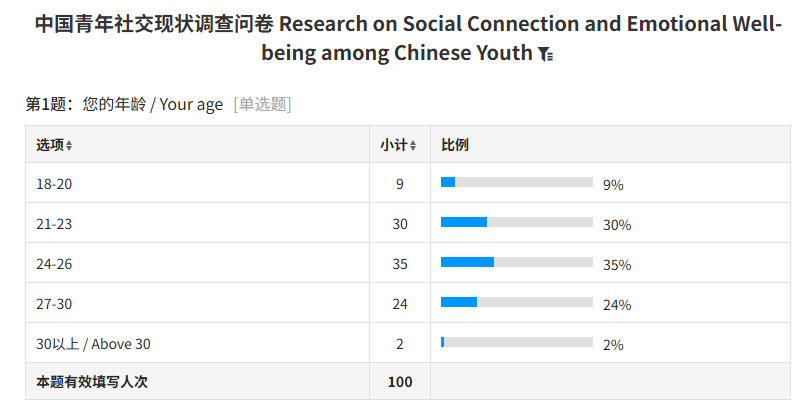
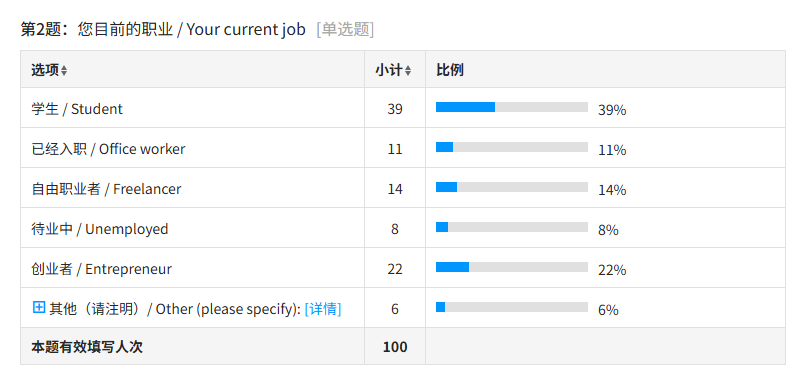
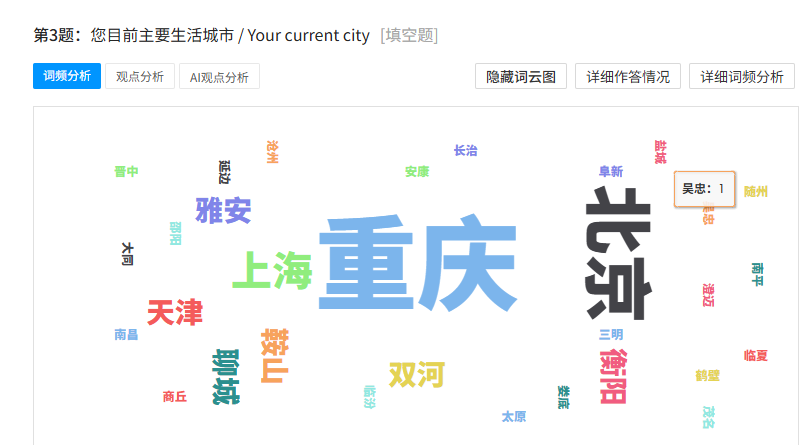
A total of 100 valid responses were collected. The majority of participants were aged 21–26 (65%), with primary occupations including students (39%), entrepreneurs (22%), and freelancers (14%). The sample represented first-tier and new first-tier cities such as Chongqing, Changsha, Shanghai, and Guangzhou.
2.What the Survey Reveals
a. High-intensity online socializing and low-frequency offline interactions
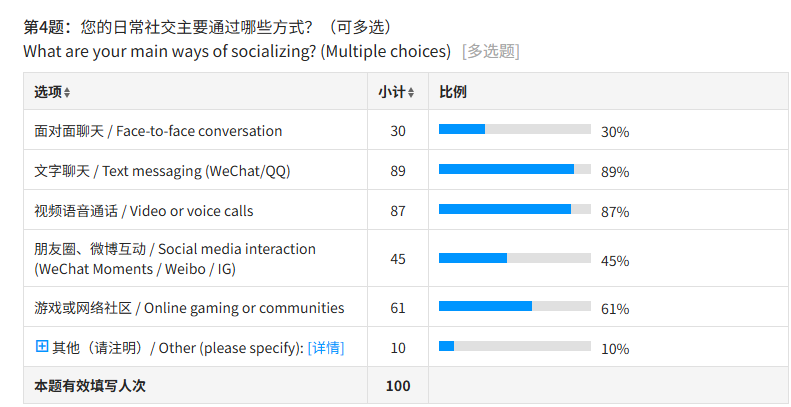
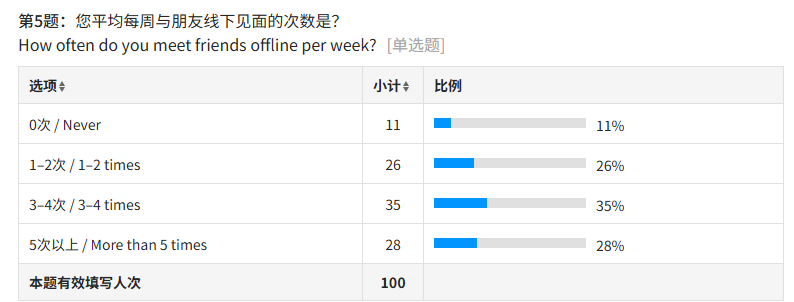
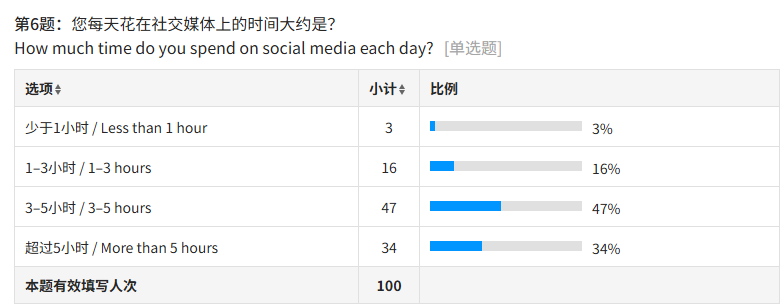
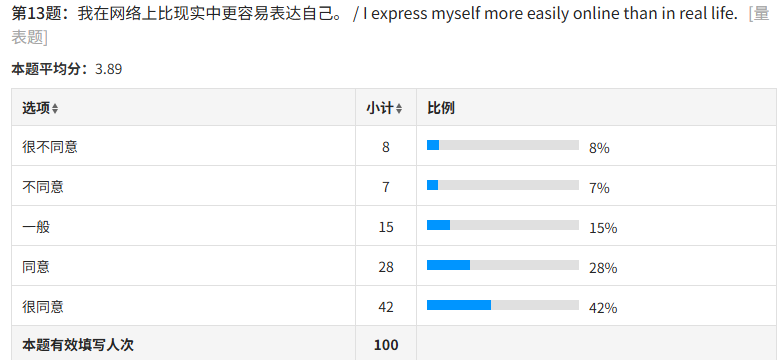
89% of young people primarily communicate through text or video, with offline meetups occurring infrequently (35% meet in person fewer than three times weekly). This indicates that young adults living in major Chinese cities heavily rely on the internet for socializing, lacking genuine face-to-face interaction.
b. Low social energy and low social motivation
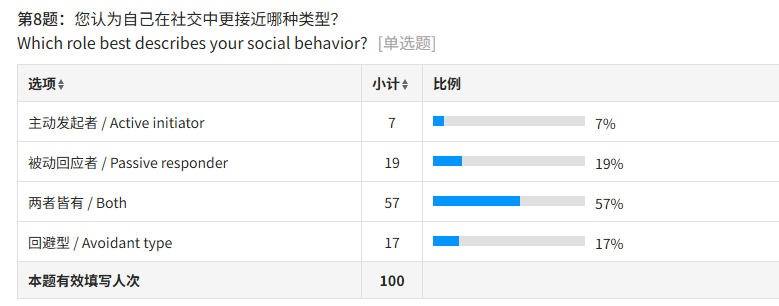
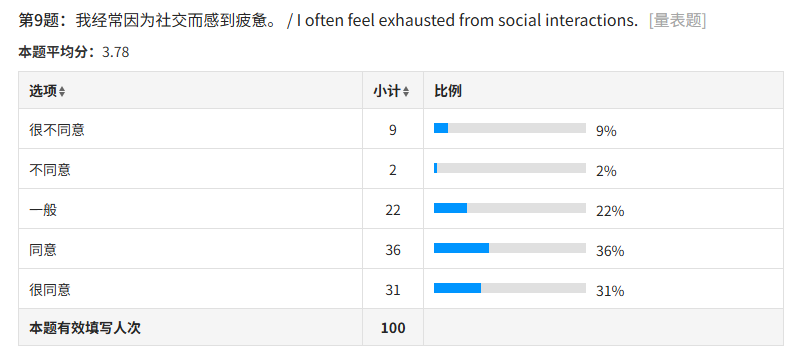
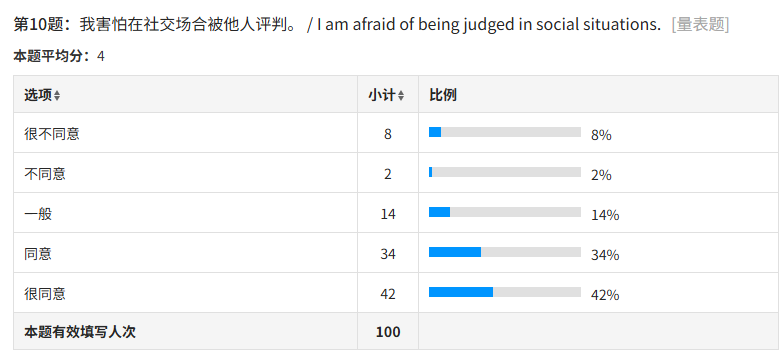
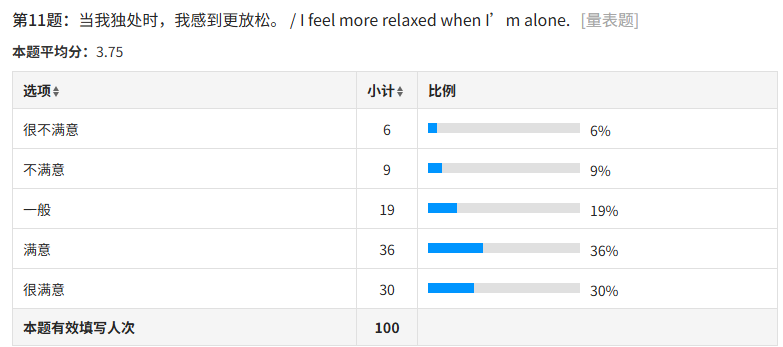
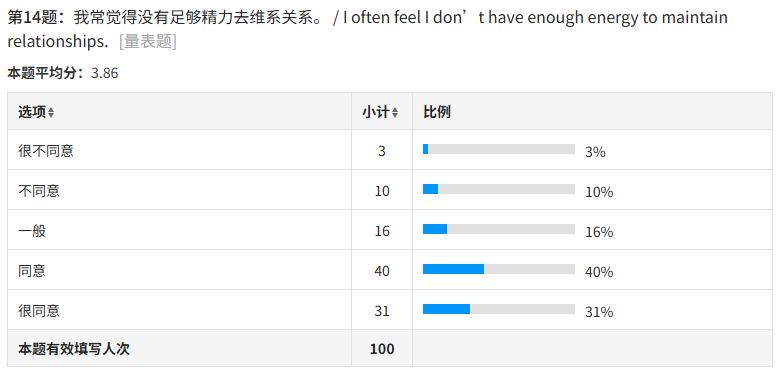
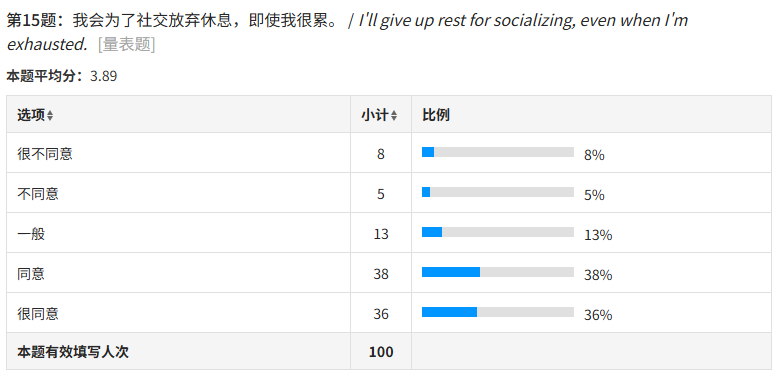
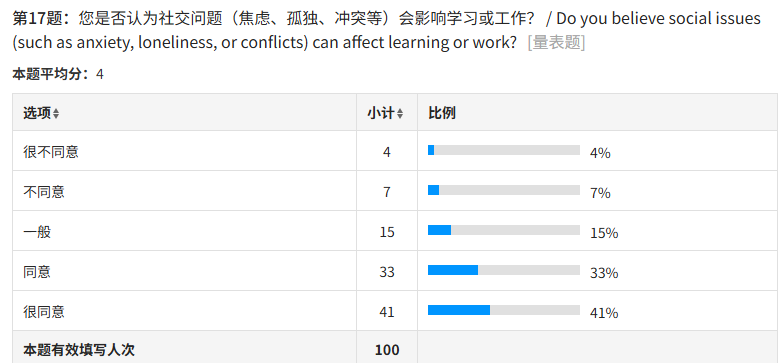
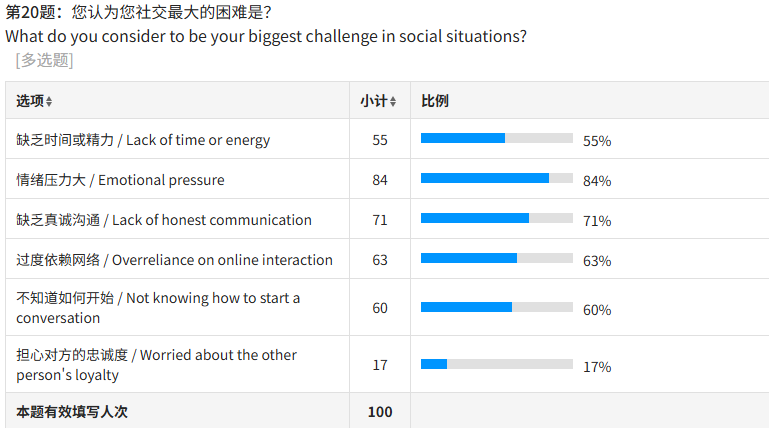
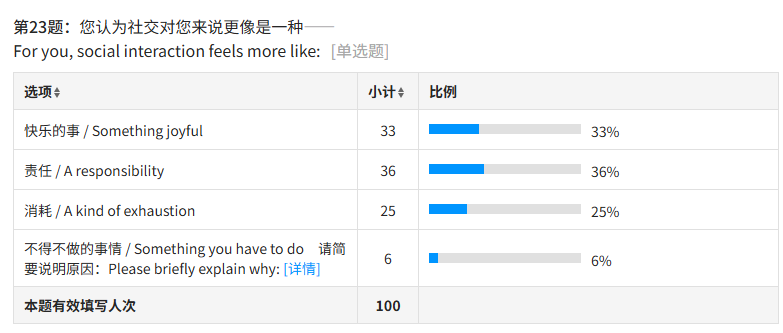
71% reported “not having enough energy to maintain relationships,” 67% felt “socially exhausted,” and 74% admitted that “social issues impacted their studies or work.” 76% fear being judged, 66% feel more relaxed alone, and only 7% consider themselves “proactive initiators.”This indicates that “social fatigue” has become a normalized psychological phenomenon, manifesting either as unwillingness to engage in social interactions or fear of doing so.
c. Relationship Utilitarianism and Emotional Support Are at Odds
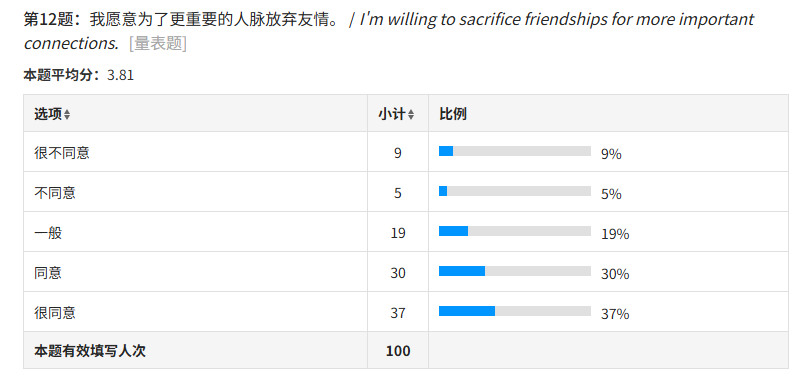
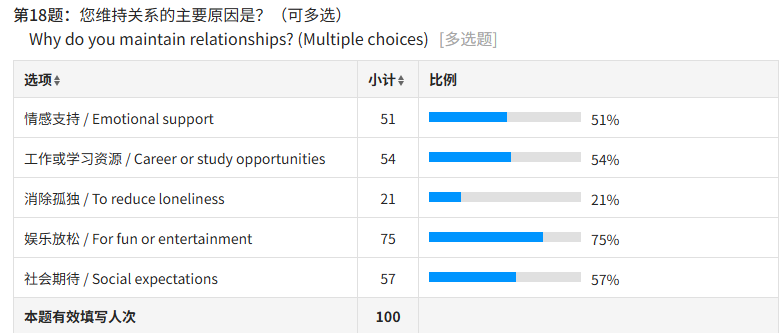
75% maintain relationships for “entertainment and relaxation,” yet 57% are simultaneously influenced by “social expectations”; 67% are willing to “sacrifice friendships for more valuable connections.” The purpose of socializing is shifting from “emotional fulfillment” to “resource acquisition and strategic maintenance.”
d. Disconnect Between Ideal Social Life and Reality
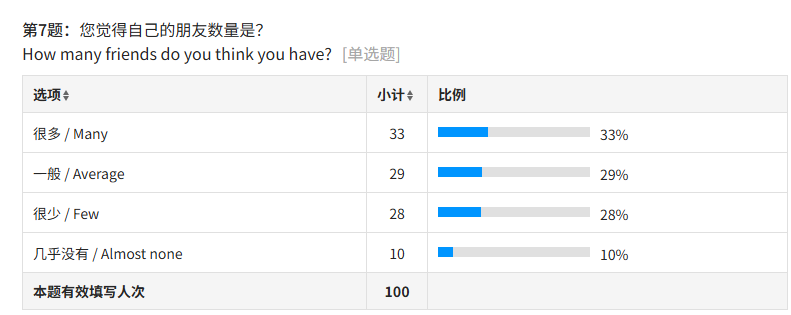
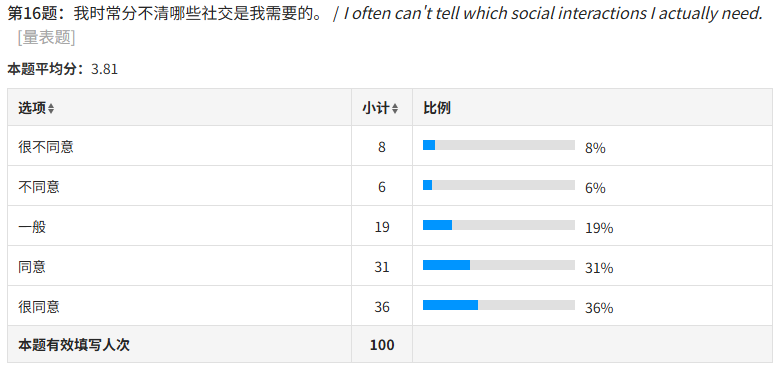
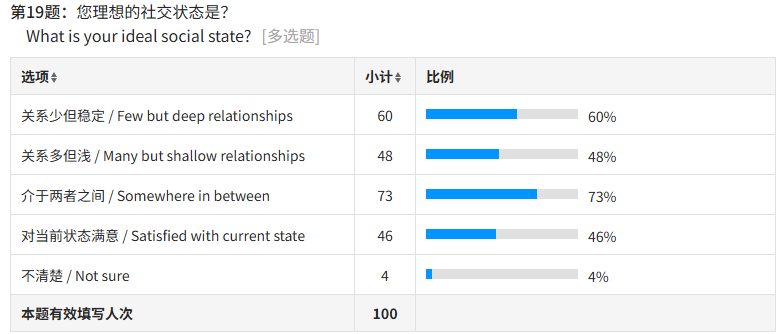
60% desire “fewer but stable relationships,” yet most actually maintain broad but shallow social circles. Young people recognize their limited energy but lack the know-how to “streamline relationships” or choose healthy social connections.
3.What Problems the Data Revealed
a. Disconnect between social connections and psychological fulfillment:
Despite extensive online connections, insufficient emotional reciprocity leads to coexisting loneliness and anxiety.
b. Overload of emotional labor:
Young people excessively accommodate others and suppress their true selves while maintaining relationships, resulting in long-term “emotional burnout.”
c. Blurred social motivations:
Most respondents struggle to distinguish genuinely needed relationships, reflecting unclear personal boundaries.
d. Absence of self-reflection mechanisms:
Current social patterns lack a “middle ground” for pausing to consider: Why do I maintain these relationships? Are they worthwhile?
4.How the Project Responds
My project employs an “Energy-Relationship” system to model real-world social dynamics, enabling players to experience the psychological process of “choosing, sacrificing, and balancing” during each turn.
Simulate real-world social pressures to visualize hidden emotional labor;
Provide a safe emotional testing ground for players to observe their decision-making patterns;
Encourage relationship thinking through a “solution-focused” approach: not complaining, but adjusting and optimizing.
5.Areas for Improvement
Enhance Data Correspondence
– Incorporate real-world survey statistics into in-game triggers, such as “social fatigue” and “relationship freeze,” to strengthen the sense of reality mapping.
Introduce Psychological Positive Feedback Mechanisms
– Drawing from SFBT theory, introduce “Positive Event Cards” to encourage players to discover their own resources, rather than solely focusing on winning or losing the game.
Enhance Character Differentiation
– Incorporate occupational proportions from surveys (e.g., higher representation of students and entrepreneurs) to deepen exploration of their social challenges during gameplay, intensifying their experiential immersion.
Establish a Reflection Loop
– Implement post-game debriefings prompting players to reflect: “Why did I make this choice?” This directly addresses the real-world issue of “ambiguous social motives.”
Open-Ended Narrative & Empathy Mechanics
– Incorporate anonymous real-life social stories or data-driven plotlines to amplify the game’s social resonance (to be developed).
Leave a Reply